
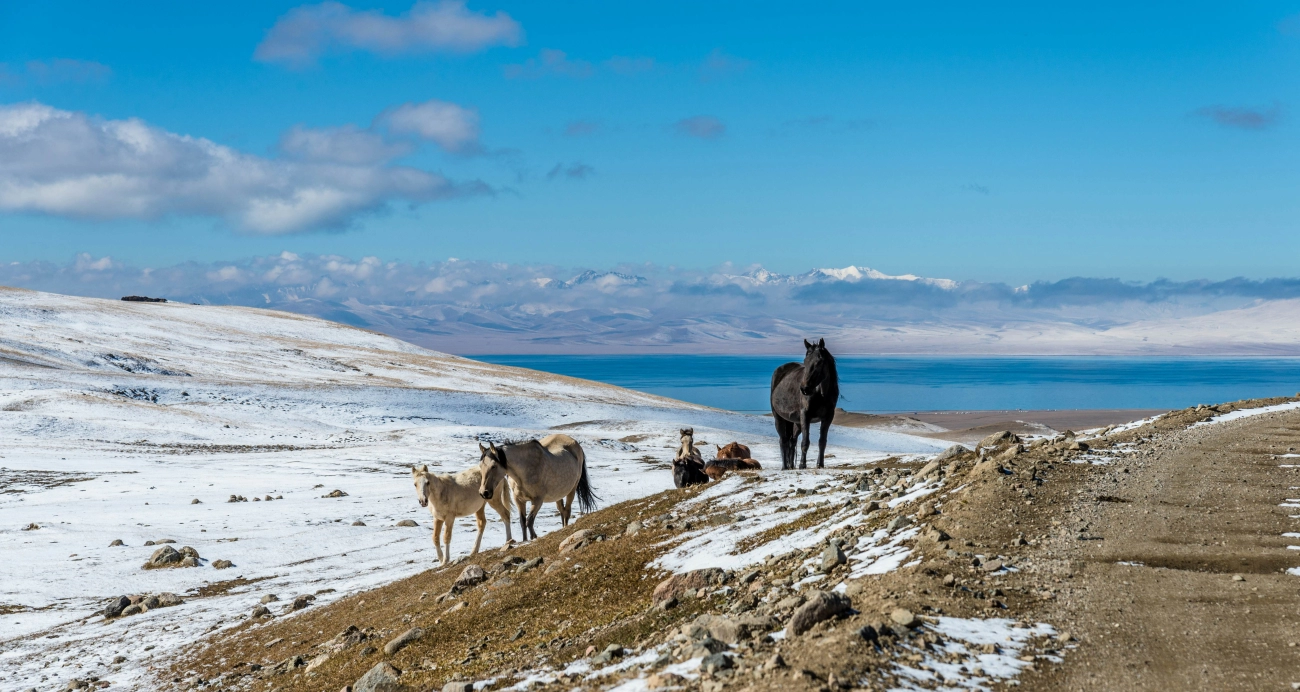
Essential Planning Guide for Hiking in Kyrgyzstan
Planning a trekking trip to Kyrgyzstan? Here’s your easy-to-follow guide to get you started on the right trail.
When to Go & Weather Considerations
- Best time: Late June to early September—warm days, cool nights
- Weather tips: Prepare for sudden changes, especially at high altitudes; layer up!
- Avoid: Winter months unless you’re going for serious snow trekking or skiing
How to Get There & Around
| Base City | How to Arrive | Getting Around | Trekking Access Points |
|---|---|---|---|
| Bishkek | International flights; from Almaty, Kazakhstan (road/train) | Local marshrutkas, taxis, car hires | Ala-Archa National Park, nearby Kol-Tor lakes |
| Karakol | Domestic flight from Bishkek or minibuses | Local taxis, horses, horseback | Ala-Kul lake trek, Jeti-Oguz valley |
| Osh | International flights; overland from Uzbekistan | Shared taxis, minibuses | Access to southern Alay mountains |
Gear Essentials & Permits
- Gear: Good hiking boots, layered clothing, rain jacket, sun protection, trekking poles
- Permits: Required mainly for border zones (like near Kel-Suu lake); easily obtained in Bishkek or local offices
- Safety: Mobile signal is patchy; carry a GPS or offline maps; always inform someone of your itinerary
Independent vs. Guided Trekking
- Independent trekking: Freedom and flexibility; ideal if you have good experience and navigation skills
- Guided options:
- CBT (Community-Based Tourism): Supports local communities, includes yurt stays and meals
- Yurt stays: Experience nomadic life; warm hospitality guaranteed
- Horse support: Perfect for carrying gear or tackling tougher passes
By choosing wisely between independent or guided, you’ll soak in Kyrgyzstan’s stunning trails safely and meaningfully. Ready to explore? Let’s dive into the iconic Kyrgyzstan trekking trails next!
Iconic Hiking Trails: Must-Do Classics
Kyrgyzstan offers some legendary trekking routes that every hiker should experience. The Ala-Kul Lake Trek near Karakol is a multi-day hike to the stunning turquoise lake known as the \”lake of many colors.\” This trail takes you across high mountain passes and ends near the soothing Altyn Arashan hot springs, perfect for relaxing after days on the trail.
Another classic is the Song-Kul Lake trekking route, set on vast high-altitude pastures. Here, you can meet nomadic herders, try horse trekking, and soak in the peaceful alpine atmosphere. It’s an excellent way to experience traditional Kyrgyz culture alongside spectacular nature.
Closer to the capital, Ala-Archa National Park offers accessible day hikes just an hour from Bishkek. You’ll find scenic rivers, waterfalls, and peaks like the popular Uchitel Peak, making it a great spot for both casual hikers and those wanting a quick mountain fix.
Further east, the Jeti-Oguz and Karakol Valley area features unique red rock formations, dense forests, and shorter, scenic loops perfect for half-day hikes or relaxed trekking. This region presents a quieter alternative to the more popular Ala-Kul routes and is rich in natural beauty and wildlife.
For those interested in exploring Kyrgyzstan’s iconic trails and stunning landscapes, these classic hikes capture the essence of trekking in the Tian Shan mountains.
For inspiration on day trips and easy-access hikes, check out these scenes from a day trip that showcase the kind of rewarding shorter treks Kyrgyzstan offers.
Hidden Gems and Off-the-Beaten-Path Secrets
Kyrgyzstan’s hidden gems offer a chance to escape the crowds and explore some truly wild landscapes. Kel-Suu Lake is a stunning remote emerald lake tucked in a dramatic gorge near the Chinese border. It requires a special border permit, but once there, you can enjoy boat rides and untouched nature.
The Jyrgalan Valley is quickly gaining fame as a quieter alternative to Karakol. It features uncrowded multi-day loops, several waterfalls, and the picturesque Boz-Uchuk lakes—perfect for hikers who want to skip the popular routes.
For history and high-altitude adventures, Tash Rabat is a must. This ancient Silk Road caravanserai sits near Chatyr-Kul, a vast secluded alpine lake with high-pass hikes around it, ideal for those wanting a mix of culture and nature.
The Sary-Chelek Biosphere Reserve stands out for its peaceful walnut forests and a network of turquoise lakes. Its gentle trails are a great contrast to Kyrgyzstan’s rugged mountains, offering some real tranquility.
For alpine lovers, the Lenin Peak Base Camp and the surrounding Alay Mountains provide breathtaking views of 7,000m peaks. The day hike to Traveller’s Pass offers a snapshot of the dramatic Pamir scenery that’s not often on the main tourist routes.
Near Bishkek, Kol-Tor and Kegety Gorge offer vibrant blue lakes and peaceful settings—perfect for quiet day hikes away from the hustle. These spots make great last-minute escapes before heading back to the city.
If you’re interested in exploring some hidden natural beauty similar to these Kyrgyz gems, you might also appreciate the serene lakes and untouched trails found on destinations like the Plitvice Lakes.
Exploring these off-the-beaten-path spots truly adds depth to any Kyrgyzstan trekking guide, especially if you’re aiming for more than just the iconic trails.
Multi-Day Trekking Adventures in Kyrgyzstan
For those craving longer routes, Kyrgyzstan offers incredible multi-day trekking adventures that showcase its dramatic mountain landscapes and diverse ecosystems. The Ak-Suu Traverse, stretching from Jyrgalan Valley to Jeti-Oguz, is an epic week-long trek passing through high mountain passes, crystal-clear lakes, and glacial fields. It’s perfect for adventurers seeking both challenge and variety in the Tian Shan mountains trails.
Further south, the Heights of Alay Trek explores the remote Pamir-Alay mountain range, with vast alpine meadows and barely touched paths, ideal for travelers wanting solitude away from the usual crowds. This route leads hikers through spectacular scenery, including wildflower-filled valleys and snow-capped peaks rising above 7,000 meters.
Another exciting option gaining popularity is trekking sections of the Kyrgyz Nomad Trail, a long-distance route designed to connect traditional paths and cultural hotspots across the country. It offers a blend of wilderness trekking and cultural immersion that’s perfect for those wanting to explore Kyrgyzstan’s backcountry on foot over multiple days.
For detailed insights into navigating these routes and insider tips on Kyrgyzstan trekking, you can check out this comprehensive guide to hiking Kyrgyzstan trails and local secrets.
Cultural and Unique Experiences Along the Trails
One of the best parts of hiking in Kyrgyzstan is the chance to connect with local culture in a truly authentic way. Many treks offer nomadic yurt stays, where you can spend the night with families who still follow traditional lifestyles. This is more than just accommodation—it’s an opportunity to learn about daily life on the high pastures, hear stories, and enjoy homemade meals.
Along the trails, you may also encounter eagle hunters, shepherds, and locals playing traditional horseback games, giving you a real glimpse into Kyrgyz heritage. These encounters add a rich layer to your trekking experience and are often highlights for many visitors.
After a day on the trails, combining your trek with some relaxation in natural hot springs like those at Altyn Arashan or Issyk-Ata provides soothing relief and a chance to recharge. These spots are well-known for their healing waters and stunning mountain settings, perfect for unwinding after multi-day treks.
For a detailed look at planning your journey through Kyrgyzstan’s mountain trails and cultural experiences, this guide to hiking and trekking in Kyrgyzstan is a great resource.
Practical Tips and Responsible Travel
When trekking in Kyrgyzstan, packing smart is key. Bring layered clothing for changing weather, sturdy hiking boots, a good sleeping bag (if camping), and essentials like a first aid kit, sunscreen, and a refillable water bottle. Altitude sickness can hit on high trails like those around Ala-Kul lake hike or Song-Kul lake trekking, so acclimatize gradually, stay hydrated, and listen to your body.
Keep your impact minimal by following eco-friendly practices: stick to marked trails, avoid littering, and support conservation areas like Sary-Chelek biosphere reserve. Use biodegradable soap and carry out all your waste.
Budget-wise, transport between major bases like Bishkek, Karakol, and Osh is affordable with shared minivans or marshrutkas, but booking local guides or horse support can add to your costs. Meals are generally cheap, and staying in nomadic yurt stays hiking with families not only enriches your experience but also directly benefits communities.
Supporting locals goes beyond spending—it means respecting traditions, buying handmade crafts, and choosing community-based tourism (CBT) options when possible. This approach promotes sustainable tourism while offering authentic cultural encounters on your Kyrgyzstan trekking guide journey. For more travel insights, explore useful travel tips and hacks tailored for adventurous trips.