
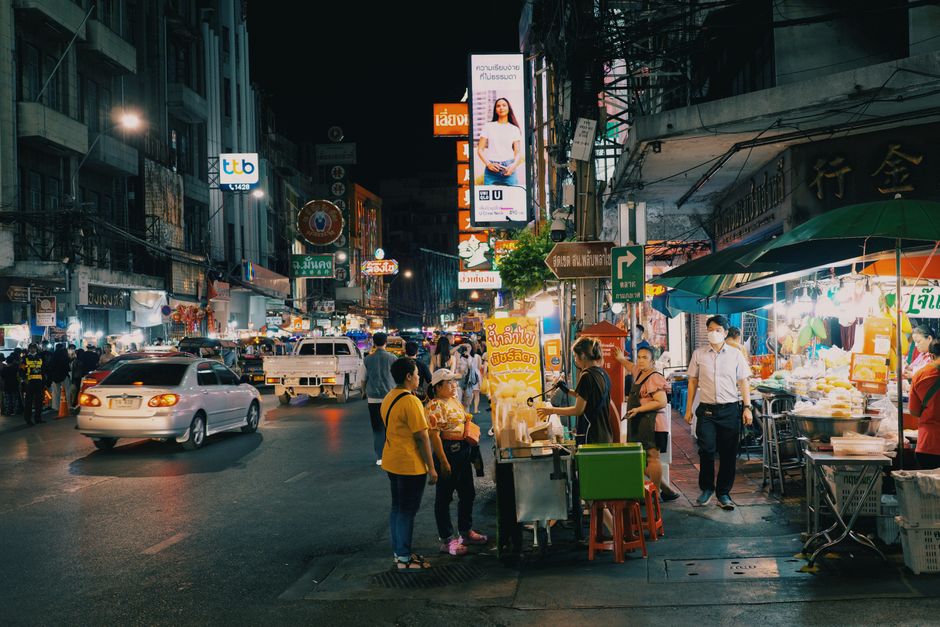
The best meals in Asia are often served on plastic stools, from a cart with a single wok. You smell it before you see it: charred meat, garlic, fresh herbs. But fear of stomach trouble stops many travelers from eating where locals actually eat. That fear is mostly misplaced.
Street food in Asia is not inherently risky. The real danger is eating at the wrong stall, at the wrong time, or ordering the wrong dish. This guide gives you the system to avoid all three.
Why Most Travelers Get Sick (And It’s Not the Food)
Here is the uncomfortable truth: your gut is the problem, not the vendor’s cooking.
Your digestive system has a stable colony of bacteria. When you fly to a new continent, you encounter bacterial strains your body has never met. Even a perfectly clean meal can trigger a reaction because your microbiome is not adapted to local bacteria. This is called traveler’s diarrhea, and it happens to 30-70% of travelers depending on the destination.
The key insight: a street stall with high turnover is safer than a sit-down restaurant that plates food that has been sitting under a heat lamp for hours. Heat kills pathogens. Freshly cooked food, served immediately, is almost always safe.
Three specific risk factors matter more than anything else:
- Water and ice: Tap water is the main vector for bacterial issues. Avoid drinks with unboiled water. Ice is risky unless it is factory-sealed (common in Thailand, rare in rural Laos).
- Raw or undercooked ingredients: Raw shellfish, blood-based dishes, and undercooked eggs carry real risk. Cooked-to-order meat is fine.
- Cross-contamination from utensils: If a vendor handles money and then touches your food without washing hands, that is a red flag. Watch for this.
Most street food is cooked at high heat in front of you. That heat sterilizes the food. The problem is almost always something you drank, or something that sat out too long.
The 3-Second Stall Assessment: How to Pick a Safe Vendor

You do not need a food safety certificate. You need to watch for three things. This takes three seconds.
1. Crowd density. A stall with a line of locals is almost certainly safe. Locals know which vendors use fresh ingredients and which ones reheat yesterday’s leftovers. If the stools are full at 8 PM, eat there. If the stall is empty at peak dinner hour, walk past.
2. Ingredient storage. Look at how raw meat and vegetables are kept. Are they on ice? In a chilled display case? Or sitting in a bucket in the sun? In Bangkok’s Chatuchak Market, the best vendors use small coolers with ice packs. In Hanoi’s Old Quarter, they keep ingredients in metal bowls set in ice water. If you see flies landing on raw chicken, leave.
3. Cooking method. Boiling, deep-frying, and grilling at high heat kill bacteria. Steaming is also safe if the steam is continuous. Raw or lightly fermented dishes (like som tam in Thailand or goi cuon in Vietnam) carry more risk because they are not heat-treated. Stick to cooked dishes for your first few days.
One more thing: the vendor’s hands. If they handle money and then grab your food with bare hands, that is a hygiene flag. Many vendors use tongs or wear gloves. That is a good sign.
Best Starter Dishes by Country (Low Risk, High Reward)
Not all street food is equal in risk. Some dishes are almost impossible to mess up. Start with these.
| Country | Dish | Why It’s Safe | Price Range (USD) |
|---|---|---|---|
| Thailand | Pad Thai | Stir-fried at high heat on a flat grill. Noodles, egg, protein, all cooked to order. No raw elements. | $1.50 – $3.00 |
| Vietnam | Pho | Broth is boiled for hours. Noodles are blanched. Beef slices cook in the hot broth. The heat kills everything. | $1.00 – $2.50 |
| Japan | Yakitori | Skewered chicken grilled over charcoal. High heat, direct flame. Easy to see if it is cooked through. | $2.00 – $5.00 per skewer |
| Singapore | Hainanese Chicken Rice | Poached chicken served at room temperature, but the poaching liquid is boiling. The rice is cooked in chicken fat. High turnover means it is never old. | $3.00 – $5.00 |
| South Korea | Tteokbokki | Rice cakes simmered in a spicy gochujang sauce. Boiling for 10+ minutes. No raw components. | $2.00 – $4.00 |
These dishes are your entry point. They are delicious, cheap, and almost impossible to get wrong. After three days of eating these without issues, your gut will be better adapted to try raw or fermented dishes.
The One Rule That Never Fails: Eat What’s Cooked in Front of You
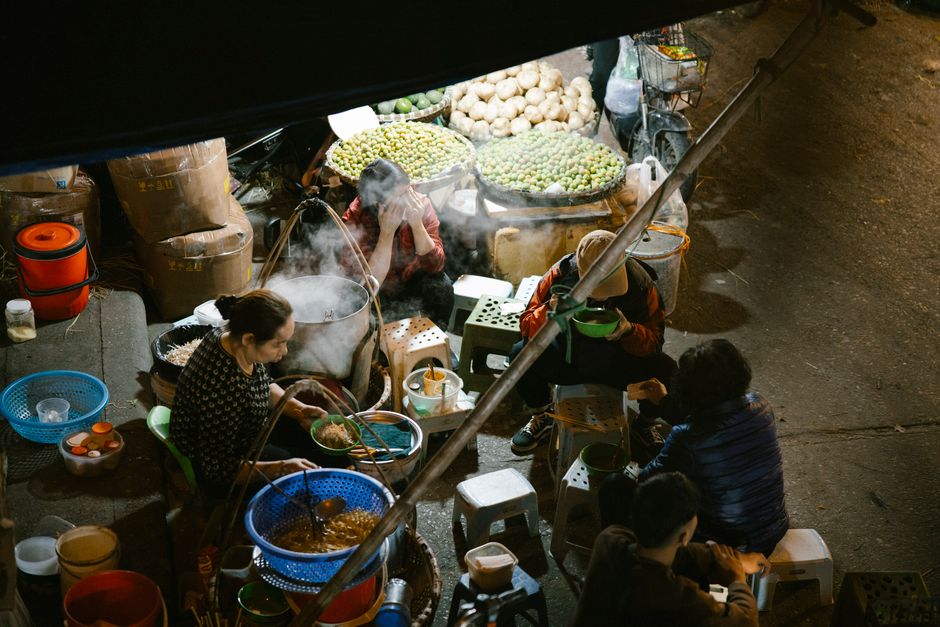
This is the single most important rule in street food safety. If the vendor cooks the food from raw ingredients while you watch, it is safe. If the food is already plated and sitting under a heat lamp, skip it.
Here is why: the time between cooking and eating is the critical window. Bacteria grow fastest between 40°F and 140°F (4°C to 60°C). If food is cooked, then sits for an hour at ambient temperature in a humid Asian city, bacterial counts can double every 20 minutes. Food that is cooked and immediately handed to you has zero time for bacterial growth.
In practice, this means:
- Order from stalls where you see the raw ingredients go into the wok.
- Avoid pre-made items like spring rolls that have been sitting on a rack.
- Watch for the flame. High heat is your friend.
- If the food is not piping hot when you get it, do not eat it.
I broke this rule once in Kuala Lumpur. I bought a pre-wrapped nasi lemak from a stall that had a stack of them ready to go. It tasted fine. Six hours later, I regretted every bite. The coconut milk had been sitting out too long. The vendor was not negligent; she just made too many portions that morning. Cooked-to-order avoids this problem entirely.
Common Mistakes Even Experienced Travelers Make
Most people who get sick from street food make one of these errors. Avoid them and your odds improve dramatically.
Mistake 1: Drinking tap water or ice. Even in cities with modern water treatment, like Singapore or Tokyo, tap water is safe. But in most of Southeast Asia and South Asia, it is not. Assume all tap water is unsafe unless confirmed otherwise. Ice is usually safe in Thailand (they use factory-sealed blocks) but risky in India, Nepal, and rural areas. Stick to bottled drinks, hot tea, or canned sodas.
Mistake 2: Eating salad or raw vegetables. Lettuce, herbs, and bean sprouts are often washed in tap water. That is the risk. In Vietnam, the herbs served with pho are rinsed in tap water. Locals have immunity; you do not. For the first few days, skip the raw garnish. Cooked vegetables are fine.
Mistake 3: Over-relying on probiotics or Pepto-Bismol. Probiotics can help, but they take weeks to colonize your gut. Taking them the day you arrive does nothing. Pepto-Bismol can prevent some cases of traveler’s diarrhea if taken daily (two tablets, four times a day), but it turns your tongue black and can mask serious symptoms. The best prevention is careful food selection, not pills.
Mistake 4: Eating at the hotel buffet instead of the street. Hotel buffets are often worse than street food. Food sits in chafing dishes for hours. Multiple guests handle the serving utensils. The temperature control is inconsistent. Street food cooked to order is almost always fresher.
When NOT to Eat Street Food (And What to Eat Instead)
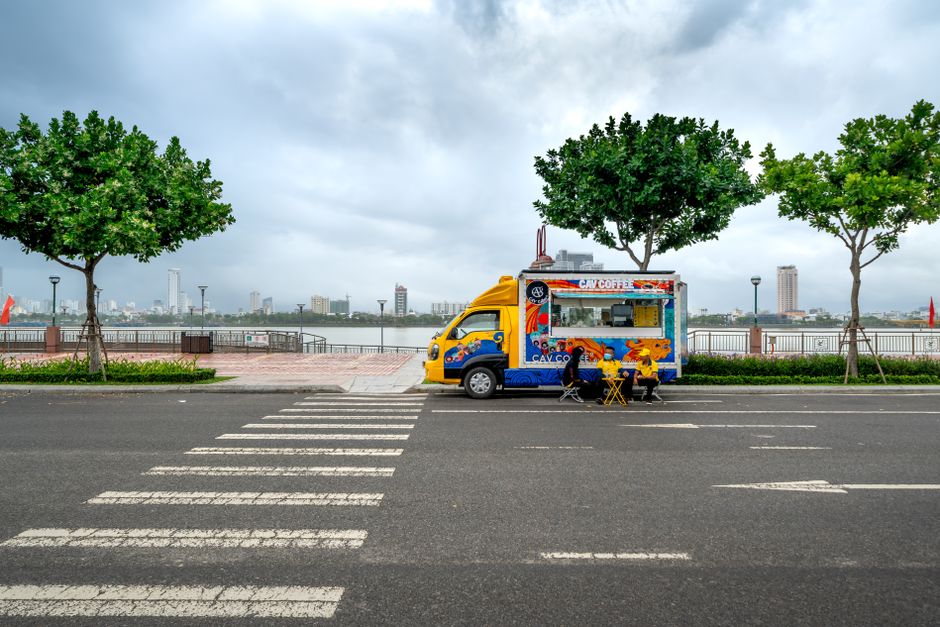
Street food is not always the best choice. Here are three situations where you should skip it.
1. You have a compromised immune system. If you are on immunosuppressants, undergoing chemotherapy, or have a chronic digestive condition, the risk is higher than the reward. Stick to restaurants with enclosed kitchens and higher hygiene standards. Look for places that display a hygiene rating (common in Singapore and Hong Kong).
2. You are in a rural area with no running water. In remote villages, vendors may not have access to clean water for washing ingredients or utensils. The food might be delicious, but the risk of bacterial contamination is higher. Eat at stalls that clearly have a water source and soap. Or stick to cooked food at a homestay where you can see the kitchen.
3. You have an important flight or meeting the next morning. Even if you are careful, there is always a small risk. If your schedule cannot absorb 12 hours of stomach distress, play it safe. Eat at a reputable restaurant with good reviews. Save the street food adventure for a day when you have no commitments.
The alternative is not boring food. In most Asian cities, there are excellent food courts (like Singapore’s hawker centers) that offer the same dishes in a more controlled environment. The hygiene standards are higher because they are regulated. The food is still cheap and authentic.
How to Recover Fast If You Do Get Sick
Despite your best efforts, it might happen. Here is the fast recovery plan.
Hydration is everything. Diarrhea dehydrates you fast, especially in hot climates. Drink oral rehydration salts (ORS) mixed with safe water. You can buy ORS packets at any pharmacy in Asia for pennies. The brand does not matter; the formula is standardized. Mix one packet per liter of water. Sip it slowly.
Do not take anti-diarrhea meds immediately. Imodium (loperamide) stops the diarrhea, but it also traps the bacteria in your gut. Let your body flush it out for 24 hours. Only take Imodium if you absolutely must travel or sit through a meeting. For most people, letting it run its course is faster and safer.
Eat bland, starchy food. Plain rice, plain toast, bananas, and applesauce. No dairy, no oil, no spices. Your gut needs a break. In Thailand, locals eat plain rice porridge (jok) when they are sick. It works.
When to see a doctor. If you have a fever above 101°F (38.3°C), blood in your stool, or cannot keep fluids down for 24 hours, see a doctor. Bacterial infections like salmonella or shigella may require antibiotics. Most clinics in Asian tourist areas are familiar with traveler’s diarrhea and can prescribe the right meds quickly.
The single most important thing you can do is stay calm. Street food sickness is almost always self-limiting. You will feel terrible for 24-48 hours, then recover. Do not let one bad experience stop you from trying the best food of your life.