
Most people assume an Airbnb in Italy gives you more space for less money. That assumption collapses the moment you check into a two-bedroom apartment in Rome with no elevator, a washing machine that doubles as a closet, and a host who responds to the broken air conditioner with “it’s Italy, open a window.” Boutique hotels have their own traps too—cramped rooms, strict breakfast hours, and staff who side-eye your toddler touching the marble.
This guide is not legal advice, but it is a factual breakdown of what actually happens when you book either option for a family trip in 2026. I’ve stayed in both across Florence, Bologna, Naples, and Palermo. Here’s what I’d tell a friend before they spend €2,000 on the wrong roof.
Space vs. Service: What Actually Matters With Kids
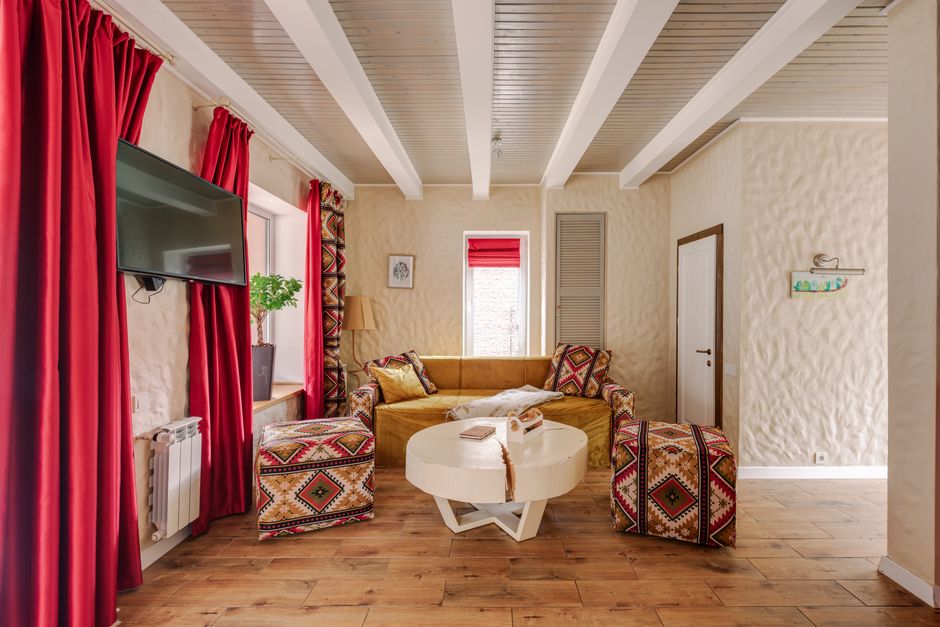
Space is the first thing parents search for. Airbnb wins on square meters almost every time. A two-bedroom apartment in Trastevere rents for around €140–€180 per night in shoulder season. A boutique hotel room in the same neighborhood—something like the Hotel Santa Maria—runs €220–€280 for a family room that’s often just two double beds pushed together. You get more floor space, a kitchen, and a living area in the Airbnb. That matters after 9 p.m. when the kids are asleep and you don’t want to sit in the dark whispering.
But service is where boutique hotels claw back. A good front desk solves problems you didn’t know you had: calling a taxi that accepts car seats, booking a pediatrician, holding your luggage for six hours after checkout. Airbnb hosts can do this, but they’re inconsistent. Some are superb. Some live in London and manage the property through a keypad.
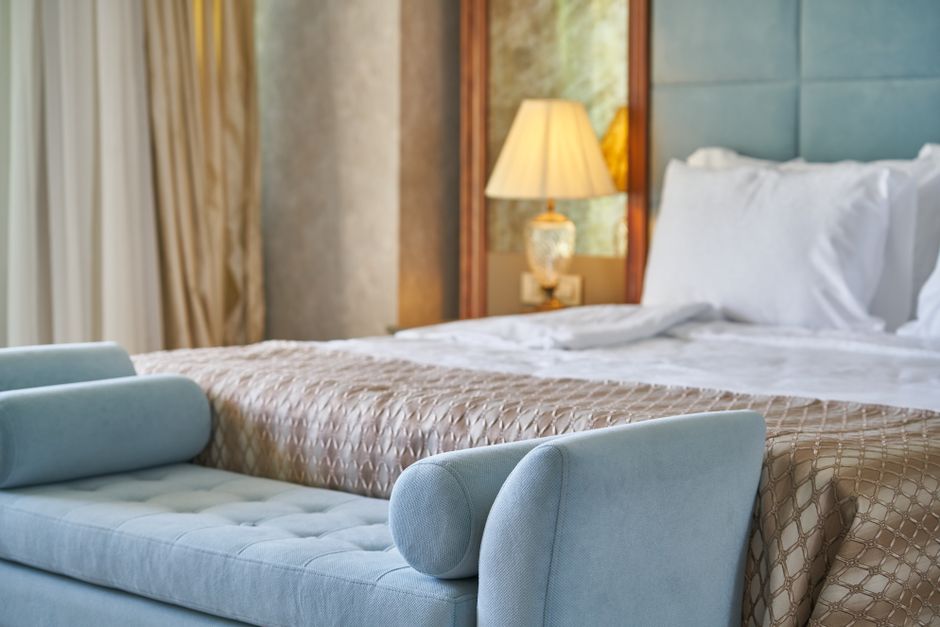
What a boutique hotel actually includes
- Daily housekeeping—irrelevant until your child spills orange juice on the only duvet
- Breakfast—usually €10–€20 per adult, free for kids under 6 at many properties
- Concierge—real value in cities where restaurant reservations still happen by phone
- Elevator—not guaranteed in historic buildings, but more common than in residential apartments
What an Airbnb actually includes
- Kitchen—you will use it less than you think, but breakfast cereal at 6 a.m. without leaving the apartment is priceless
- Washing machine—critical for trips longer than five days with small children
- Multiple rooms—kids sleep, you stay awake, everyone wins
- Living space—not just a bed with a chair next to it
My verdict: if your youngest is under four, take the Airbnb. The kitchen and separate sleeping space outweigh any concierge. If your kids are eight and up, the hotel becomes more attractive because you’ll spend less time in the room and more time asking for restaurant recommendations.
The Legal Mess Nobody Warns You About
Italy has been tightening short-term rental rules since 2026, and 2026 is the first year many cities are fully enforcing them. Florence banned new Airbnb registrations in the historic center in 2026. Rome requires hosts to display a CIN (Codice Identificativo Nazionale) on the listing. Venice limits rental nights per year. None of this stops listings from appearing—it just means some of them are operating illegally.
If you book an unregistered Airbnb and the city catches the host during your stay, you could be asked to leave. This is rare, but it happened to a family I know in Florence in 2026. The host refunded them, but they spent one night in a hotel near the train station that charged €340 for a room that smelled like bleach.
Check the listing for a CIN before booking. It’s a string of letters and numbers, usually in the description or photos. If it’s missing, ask the host. If they dodge, book elsewhere. Boutique hotels face none of this—they’re licensed, inspected, and insured in ways a private host often isn’t.
This is not legal advice, but the practical takeaway is simple: unregistered rentals carry a risk you don’t need on vacation.
Cost Breakdown: The Gap Is Smaller Than You Think
| Expense | Airbnb (Florence, 2BR, 1 week) | Boutique Hotel (Florence, family room, 1 week) |
|---|---|---|
| Nightly rate | €160 | €250 |
| Cleaning fee | €60–€90 one-time | €0 |
| Service fee | €80–€120 | €0 |
| Breakfast | €0 (you cook) | €140 for two adults, kids free |
| City tax | €4 per person/night | €5–€7 per person/night |
| Total for 7 nights | ~€1,350 | ~€1,890 |
The gap is real but not dramatic. Airbnb fees have crept up—cleaning fees now routinely hit €80 in major cities, and the service fee adds another 12–15%. Boutique hotels often throw in breakfast and sometimes a free airport transfer for stays over five nights. If you value the kitchen at €30 a day, the Airbnb wins. If you’d pay €30 a day to not wash dishes on vacation, the hotel wins. That’s the honest math.
One more thing: Airbnb prices in Italy spike hard in June and September. A €160 apartment in April becomes €240 in June. Hotels do the same, but their pricing is more predictable and you can sometimes lock a refundable rate and rebook if prices drop.
Location: Where Each Option Actually Exists
Airbnbs cluster in residential neighborhoods. Boutique hotels cluster near train stations, piazzas, and tourist corridors. Neither is automatically better, but the difference shapes your trip more than any other factor.
In Rome, a family Airbnb in Monti puts you on a quiet street with a bakery downstairs and a playground two blocks away. A boutique hotel like the Nerva Boutique Hotel puts you 200 meters from the Colosseum but surrounded by souvenir shops and overpriced trattorias. For a family, the residential street wins. You want the bakery, not the Colosseum selfie stick vendors.
In smaller towns—Lucca, Orvieto, Lecce—the calculus flips. Hotels sit inside the walls near everything. Airbnbs are often outside the center, up a hill, or behind a gate that requires three keys. Walking back for a midday nap becomes a 25-minute trek instead of a five-minute stroll. Small-town Italy is where boutique hotels earn their premium.
When a Boutique Hotel Is the Wrong Choice
Don’t book a boutique hotel if you have more than two kids. Most Italian boutique properties cap occupancy at four people, and many cap at three. A family of five gets forced into two rooms, which doubles the cost and splits the family across a hallway. Airbnb has the opposite problem—there are hundreds of three-bedroom apartments in every major city.
Don’t book a boutique hotel if anyone in your family has serious food restrictions. Italian hotel breakfasts are carb-heavy: pastries, bread, yogurt, fruit. Gluten-free options exist but are inconsistent. A celiac child at a small hotel in Puglia may end up eating packaged crackers for a week. An Airbnb kitchen solves that completely.
Don’t book a boutique hotel if your kids go to bed at 7 p.m. and you want to stay up past 9. One room means lights out for everyone. This is the single biggest reason families choose apartments over hotels, and it’s a good one.
The Verdict: Pick Based on Trip Length, Not Preference
For trips under four nights, book the boutique hotel. The friction of Airbnb—check-in coordination, cleaning fees, minimum stay rules—eats into a short stay. Hotels handle everything fast. You land, you check in, you sleep.
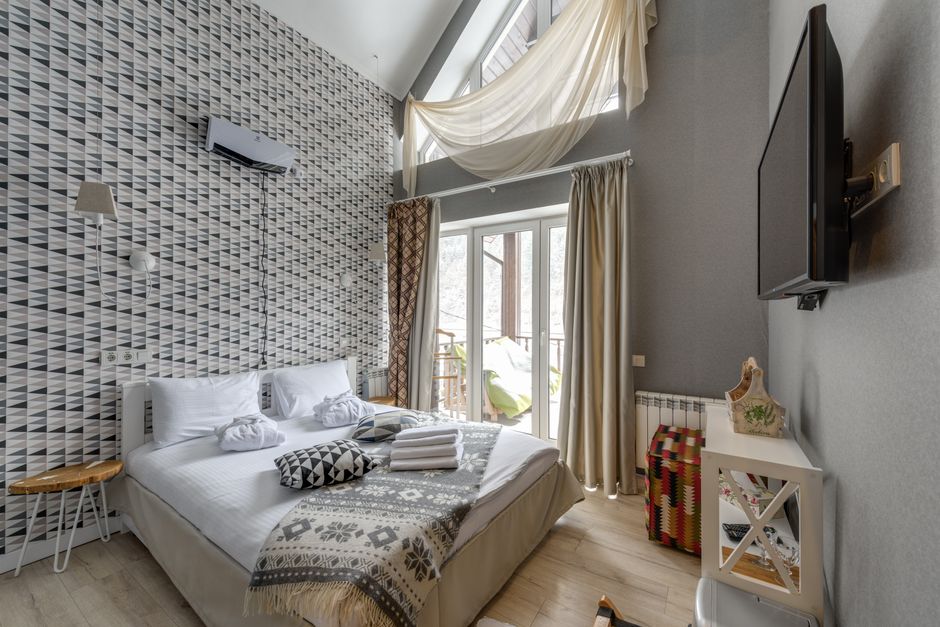
For trips over five nights, book the Airbnb. The kitchen, washing machine, and separate bedrooms pay off over a week. You’ll save enough to fund one nice dinner out, and you’ll sleep better with the kids in another room.
My specific recommendation for 2026: if you’re doing one city for a week with children under six, book a registered Airbnb with a CIN, two bedrooms, and a washing machine. If you’re doing three cities in ten days with older kids, book boutique hotels in the smaller towns and an Airbnb only in Rome or Milan. The mix gives you service where you need it and space where you live.