
This is not legal advice — consult a licensed attorney. No state laws are discussed here; museum entry times, ticket terms, security checks, and queue rules are venue policies that can change without notice.
Are you trying to see a major museum in August without spending half the day behind a rope barrier? The strongest answer is usually a shoulder-hour visit: the period just after the first opening rush fades or shortly before the final busy wave begins. It is not a magic ticket, and it cannot defeat a sold-out exhibition, a holiday crowd, or a security closure. It can, however, move your visit away from the most predictable pressure points.
Which museum hours usually have the shortest August queues?
The practical winner is the late-afternoon shoulder hour, provided the museum still gives you enough time to see what you came for. Opening time sounds ideal, but thousands of visitors often make the same calculation. They arrive before the doors open, cluster at the main entrance, and create a queue before the first gallery has even filled. A late visit can spread arrivals across a wider period, especially at museums with extended evening hours.
The useful timing benchmark
Use the following schedule as a planning benchmark, not a promise. Queue conditions change with weather, cruise-ship arrivals, school holidays, major exhibitions, and timed-entry capacity.
| Arrival window | Typical August pressure | Best use |
|---|---|---|
| 30–60 minutes before opening | Medium to high at headline museums | Worth choosing only when the first gallery is your priority |
| Opening to 10:30 a.m. | High | Good for timed tickets, weaker for walk-up entry |
| 11:30 a.m.–2:30 p.m. | Highest | Usually the least attractive period for a flexible visit |
| 3:30–5:00 p.m. | Medium to low | Best general shoulder window for a two-hour visit |
| Final 90 minutes | Low in some collections, high at ticket desks | Use only when the museum confirms late entry and your route is short |
How major museums change the calculation
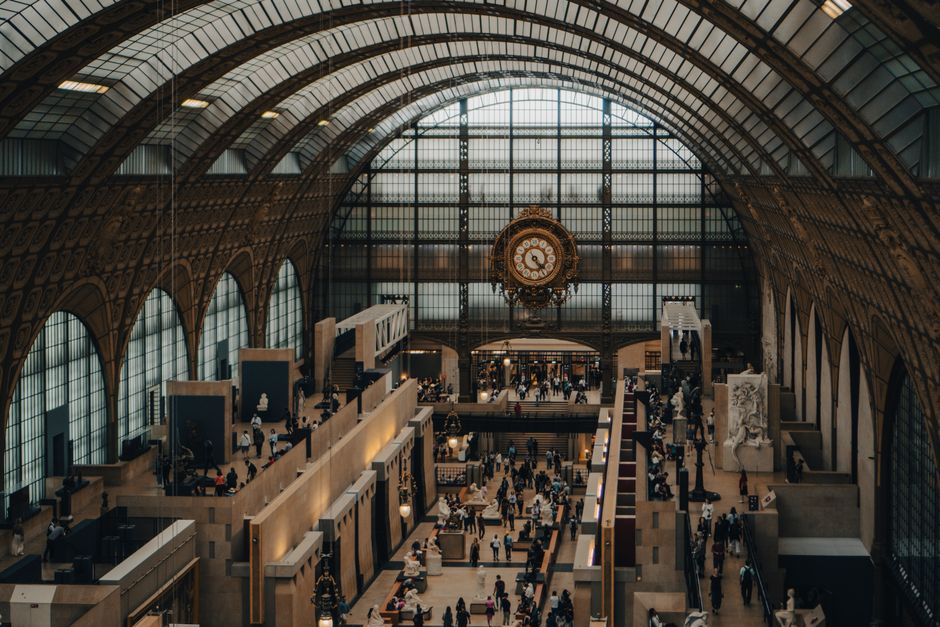
Large institutions do not all behave alike. The Louvre, British Museum, Museo Nacional del Prado, Uffizi Galleries, and Vatican Museums each divide visitors among different entrances, exhibitions, and security procedures. The Louvre currently lists standard daytime hours, later Wednesday and Friday hours, and last entry one hour before closing; its official page also lists 2026 admission rates and warns visitors about unofficial ticket sellers. Check the official Louvre hours and ticket page for the date you plan to visit.
For a clear verdict, choose 3:30–5:00 p.m. at a collection-focused museum when you have a timed ticket or a confirmed late-entry option. Choose opening time only for a famous temporary exhibition, a small museum with limited daily capacity, or a must-see room that becomes crowded immediately.
The best shoulder hour is usually after the lunch rush
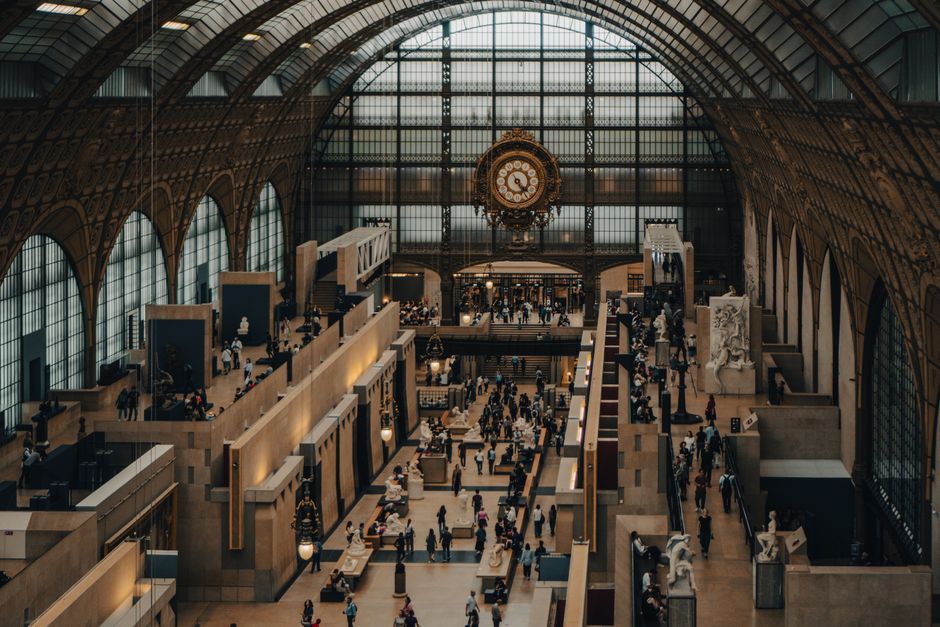
The strongest general recommendation is simple: for a flexible August museum visit, arrive between 3:30 and 5:00 p.m., then enter with a narrow list of priorities. This window often avoids the early-arrival cluster and the midday heat-driven surge, while leaving enough time for two or three focused galleries. The exception is a museum that closes early or stops admitting visitors 60 minutes before closing; there, the late window becomes a bad bargain.
Think of the visit as a controlled trade. You give up the chance to wander through every room, but you gain a calmer entrance, shorter cloakroom delays, and less competition around the best-known works. That is the right trade for travelers who care more about seeing 12 important objects without being pushed along than about covering an entire building.
The specific recommendation for August 2026 is to book an afternoon slot, arrive 15 minutes early, and keep a two-hour route. If the museum has no timed entry, check the live visitor notice on the official website on the morning of the visit and move your arrival later when the site confirms extended hours. A shoulder hour works because it changes your exposure to crowd flow; it does not remove the need to verify admission rules.
How to build a two-hour museum route that survives crowds
A quieter arrival does not help if the rest of the visit is improvised. Major museums are large, entrances may sit far from the famous galleries, and temporary exhibitions can consume an hour before you reach the permanent collection. The reliable method is to plan by rooms and walking time rather than by a long wish list.
Start with three fixed targets
Pick one essential work, one supporting room, and one flexible section. At the Louvre, that might mean a single headline painting, a nearby group of galleries, and a final choice between sculpture or decorative arts. At the Prado, it could mean a specific Velázquez room, one adjacent group of Spanish masters, and a final circuit chosen after you see the crowd. At the British Museum, choose a floor or cultural area instead of trying to cross the entire building.
Allow for security, toilets, and wrong turns
Budget 20 minutes before the first artwork: 10 minutes for entry and security, five minutes to orient yourself, and five minutes for a coat, bag, or restroom stop. Then divide the remaining time into two blocks. A 120-minute visit should usually contain 70 minutes of galleries, 20 minutes of movement, and 30 minutes of margin. The margin matters because a blocked staircase, school group, or closed room can destroy a tight route.
Use a map from the museum itself, save the entrance name, and mark the final exit before you begin. Do not assume the door you enter is the door you leave. At venues with one-way exhibition routes, turning back may be impossible. That small planning error can add 15 minutes and force you to skip the room that justified the visit.
- Confirm the correct date, entrance, and last-entry time.
- Choose three targets within one geographic section.
- Arrive 15 minutes before your booked slot, not 60 minutes before opening.
- Leave the busiest gallery when the crowd becomes stationary around one object.
- Keep the final 20 minutes free for the room you most want to remember.
The clear winner for a short visit is a compact route with a firm exit time. A large museum is not a checklist. It is a building with bottlenecks, and your plan should account for them.
When should you avoid a late museum visit?
Is an evening slot safe for a first-time visit?
Only when the museum confirms that the galleries you want remain open until the stated closing time. Some venues begin clearing rooms before the official closing hour. Others close special exhibitions earlier than the permanent collection. The Louvre, for example, publishes a last-entry rule and warns that rooms begin clearing before the building fully closes. A late slot is a strong choice for a short, targeted visit, but a poor choice for anyone hoping to explore an unfamiliar museum without a route.
Should families choose the shoulder hour?
Families with young children should usually choose the first practical timed slot or a quieter early afternoon period, not the final admission window. Tired children, closed cafés, and a rushed exit create more friction than a moderate queue. A 3:30 p.m. arrival can work well for older children who can handle a two-hour route, especially when the museum offers lifts and nearby rest areas.
When is opening time still the better option?
Choose opening time for a blockbuster temporary exhibition, a museum with strict daily capacity, or a collection where one famous room controls the whole experience. Also choose it when your travel schedule leaves no room for a second attempt. The practical verdict is firm: use the afternoon shoulder hour for general collections, but book the first available timed entry for a rare exhibition with limited slots.
August crowds reward precision rather than optimism. Check the official calendar 48 hours before the visit, confirm the entry gate on the day, and treat every published time as subject to security, maintenance, and special-event changes. For most travelers, the best plan is a reserved afternoon entry, three nearby priorities, and a two-hour route that ends before fatigue turns the museum into a race.