
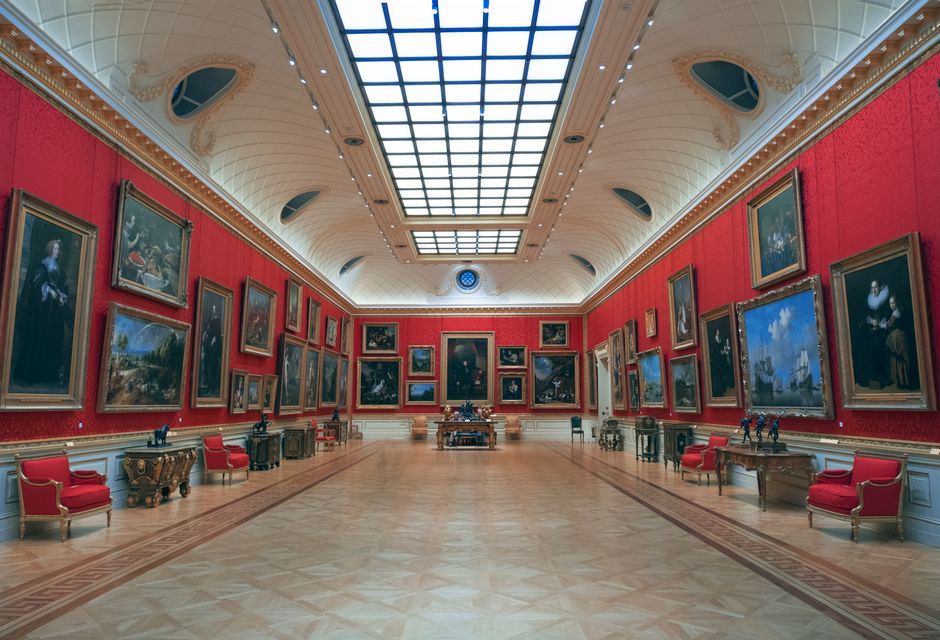
Move the day, not the destination. In Southern Europe during August, the strongest plan puts outdoor sightseeing early, protects the hottest hours with a real indoor backup, and brings you outside again after sunset. That approach keeps a trip feeling like travel instead of turning every afternoon into a recovery period.
Why heat pacing beats a heroic itinerary
The best August itinerary is built around exposure time. Streets, stone plazas, ferry decks, and unshaded archaeological sites store heat long after the temperature peak. A traveler can tolerate a short walk at 8 a.m. and feel unwell on the same route at 2 p.m. The problem is not only the forecast number. It is the combination of direct sun, hot surfaces, limited shade, crowded transport, alcohol, and the false confidence created by a breeze.
Use three daily operating windows
Make 7:30 a.m. to 11 a.m. your outdoor window, 11 a.m. to 5 p.m. your protected window, and 5:30 p.m. onward your second outdoor window. The exact hours change with the city and forecast, but the logic stays firm. Schedule a market, viewpoint, ruin, or long walking route before lunch. Put a museum, church, cinema, cooking class, covered market, library, or hotel rest block in the middle. Reserve the evening for neighborhoods that become pleasant once the pavement cools.
Read heat like a risk analyst
Do not judge a day by temperature alone. Check the heat index, wind, shade, humidity, air-conditioning reports, and the distance between stops. A 32°C day with poor shade and a long wait can be harder than a 36°C day built around short transfers and cool interiors. Carry water, but do not treat a bottle as a permit to ignore warning signs such as dizziness, headache, nausea, confusion, or unusually heavy fatigue. Those symptoms mean the plan has already failed.
Protect the experience, not every reservation
Pre-booking every hour creates a fragile itinerary. One delayed train, closed room, or missed timed entry can push the whole day into the hottest period. Keep one major outdoor anchor and one indoor anchor per day, then leave room around both. My verdict is clear: in August, a flexible two-anchor plan gives travelers more usable time than a packed list of ten attractions.
Compare indoor backups by what they protect
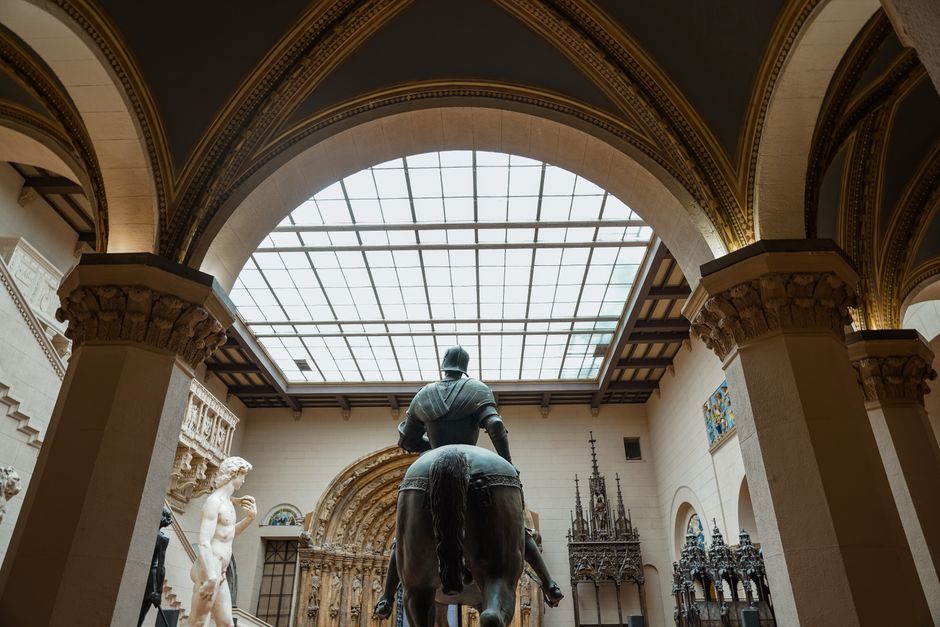
Choose the backup that protects your energy first and your ticket budget second. An indoor stop is not automatically useful. A museum with a 45-minute queue, a poorly ventilated church, or a venue reached by a steep exposed walk may offer less relief than a shaded hotel room followed by a short evening outing.
| Backup type | Best heat window | What it protects | Exclusion warning | Verdict |
|---|---|---|---|---|
| Large museum or gallery | 11:00–15:30 | Time, culture, bathroom access, seating | Timed tickets may be nonrefundable; galleries can still have outdoor queues | Best for a first hot afternoon |
| Covered market or food hall | 12:00–14:00 | Lunch, local flavor, short walking distances | Some stalls close between lunch and dinner; heat may build near open entrances | Best for a social, low-pressure reset |
| Hotel or apartment rest block | 14:00–17:00 | Hydration, sleep, medication, air-conditioning | Late checkout is not guaranteed; a room may not cool quickly | Best after a poor night or long transfer |
| Indoor workshop or performance | 15:00–19:00 | A fixed cultural memory without outdoor mileage | Late arrival rules and no-show policies can be strict | Best when the group needs structure |
Apply the insurance-style exclusion check
Before paying, read the exclusions. A heat advisory does not automatically make an attraction ticket refundable, and ordinary discomfort is not the same as a covered medical event. If you buy travel insurance, check weather, missed-connection, pre-existing-condition, and self-changed-itinerary language. Compare AM Best ratings and J.D. Power scores as useful signals, then read the policy itself. Premiums vary by state and individual factors, so get multiple quotes instead of trusting one headline price.
Check requirements before the trip starts
State-specific coverage requirements can apply to driving to the airport or renting a car, even when the main holiday takes place overseas. Confirm the limits on your existing policy, rental-car exclusions, and medical coverage abroad. The practical rule is simple: pay for a backup only after checking what your current coverage already handles.
Mistakes that turn a heat backup into a wasted day
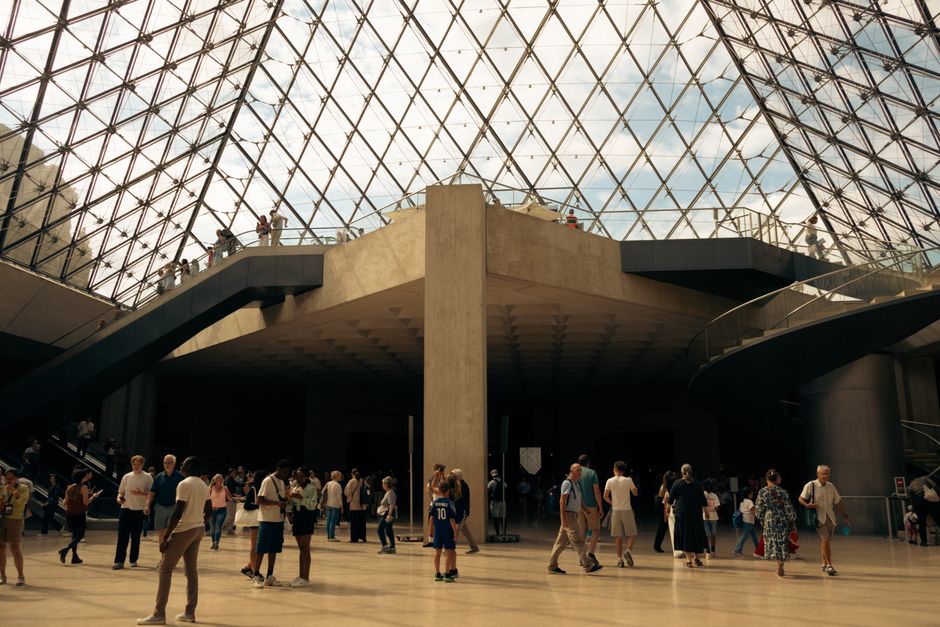
The most expensive mistake is treating an indoor backup as an afterthought. Build it before the heat becomes a problem, and remove the parts most likely to fail.
- Choosing a venue by reputation alone. A famous museum may have a long outdoor queue, strict entry slots, or galleries spread across several buildings. Check entry conditions and the route from transit.
- Booking the only available time. A 4 p.m. ticket looks convenient until the group has spent three overheated hours outside first. The backup must begin before fatigue peaks.
- Assuming every interior is cool. Historic churches, caves, trains, and covered markets can be warm, crowded, or poorly ventilated. Bring a second option within a short walk or taxi ride.
- Using alcohol as the afternoon reward. Alcohol can make dehydration and poor sleep worse. Put water and a proper meal before the first drink.
- Ignoring the hardest traveler. A child, older adult, pregnant traveler, or person taking heat-sensitive medication sets the pace. A plan that works only for the fittest person is not a group plan.
- Expecting insurance to repair a bad schedule. Most policies have exclusions, documentation rules, and limits. Missed sightseeing because the group changed its mind is not the same as a covered interruption. Keep receipts and medical records when a genuine claim may exist, but solve ordinary heat problems through timing.
My clear recommendation is to reserve one paid indoor anchor and keep one free backup, such as a hotel rest period, library, church, or downloaded audio walk. That combination controls both cost and risk.
The strongest 2026 verdict: cut the midday distance
For August travel in Southern Europe, the best indoor backup is the one within ten minutes of your last meaningful stop. A modest local museum near your lunch table beats a celebrated attraction that requires a 40-minute walk, two transfers, and a queue in direct sun, because the purpose of the backup is to preserve the evening rather than collect another badge for the itinerary. Spend your planning effort on shade, toilets, water, seating, cancellation rules, and the quickest route between the morning anchor and the indoor block; those details create more comfort than a premium ticket or a long list of highly rated attractions. If the day already feels strained by noon, choose rest without guilt, keep dinner nearby, and move the missed sight to an early morning, because a slower schedule produces stronger memories than pushing through heat until every stop feels interchangeable.
Questions travelers ask before changing the plan
Should I cancel an outdoor attraction when the forecast is extreme?
Yes, if the attraction involves exposed stone, long queues, limited shade, or a long return route. Move it to the first entry slot or the last two hours before sunset. Do not force a midday visit simply because the ticket is already paid.
When should I choose a free digital backup instead of buying another ticket?
Choose the free option when the group is tired, the venue has poor cancellation terms, or the next paid attraction would require a long transfer. Google Arts & Culture works for visual preparation, Rick Steves Audio Europe works for a focused cultural session, and Duolingo works for a short language task. None replaces the physical place, but each can protect the feeling of discovery during a recovery period.
Is a city pass worth buying for a heat-paced itinerary?
Only when the pass includes attractions you can reach with short transfers and when its validity period matches your shifted schedule. Do not buy a pass just to justify filling every afternoon. A pass with strict timed entries can reduce flexibility, while separate tickets may cost less for a slower trip.
What should I do if someone shows heat-illness symptoms?
Stop sightseeing, move to a cool place, loosen extra clothing, provide fluids when the person is alert, and seek local medical help for confusion, fainting, severe weakness, or worsening symptoms. Travel insurance can help with eligible medical costs, but coverage varies by policy and location. The next stage of summer travel planning will focus less on squeezing in more sights and more on designing days that stay enjoyable when the weather refuses to cooperate.