

Most travelers don’t think about vaccines when heading to central France. They think about the Loire Valley châteaux, the cathedral, the wine. But here’s the fact: routine vaccines like tetanus and measles are still the most common reason travelers end up in a French clinic. In 2026, France reported over 3,000 measles cases — the highest in a decade. Orleans is a modern city with excellent healthcare, but that doesn’t mean you should skip the basics.
This guide covers the actual vaccines recommended for Orleans, how to get them, and what to skip. No alarmism. Just practical advice.
Routine Vaccines: The Non-Negotiables
Before you even think about travel-specific shots, check your routine vaccines. These are the ones you probably got as a kid but may have let lapse.
Measles, Mumps, Rubella (MMR) — France has seen a resurgence. If you were born after 1970 and haven’t had two doses, get a booster. Tetanus, Diphtheria, Pertussis (Tdap) — you need a booster every 10 years. Polio — adults usually had it as children, but if you’re unsure, a single booster is cheap insurance.
Most people assume they’re covered. Check your records. A quick call to your GP costs nothing and could save your trip.
Hepatitis A and Typhoid: Do You Actually Need Them?
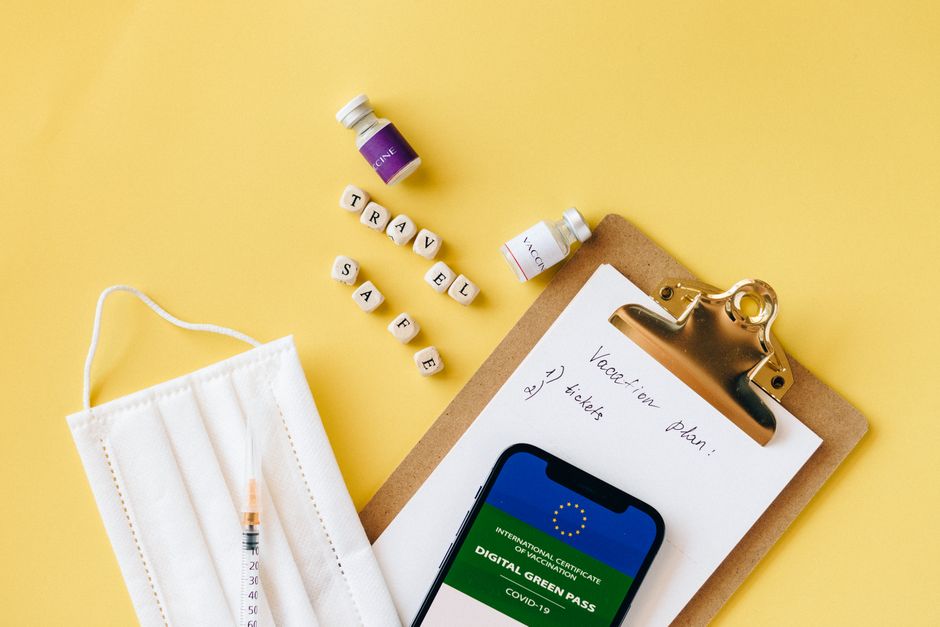
Here’s the honest answer: for Orleans, Hepatitis A is recommended but not essential for most travelers. The city has clean tap water and good sanitation. The risk comes from eating raw shellfish or street food — which is rare in Orleans but possible at markets.
Typhoid? Skip it. Typhoid risk in central France is effectively zero. The vaccine is only worth considering if you’re eating from street vendors daily for weeks. Most Orleans visitors eat in restaurants or cook at their rental. Save the injection for somewhere riskier.
If you’re staying in a hotel and eating at restaurants, Hepatitis A is a personal choice. If you’re backpacking and cooking for yourself, get it. The Havrix 1440 ELU shot costs about $70 and lasts 25 years with a booster. That’s cheap peace of mind.
Rabies: The One Most People Get Wrong
Rabies is present in French wildlife — bats, foxes, stray cats. But here’s the reality: the rabies vaccine is only worth getting if you’ll be working with animals or trekking in remote areas far from hospitals. Orleans is a city of 120,000 people. You’re never more than 15 minutes from a pharmacy or hospital.
If you get bitten by a stray cat in Orleans, you can get post-exposure prophylaxis at CHR Orleans (Centre Hospitalier Régional) within hours. The vaccine series costs around €200 out of pocket. The pre-travel vaccine series costs about $350 and requires three shots over three weeks. For most city travelers, it’s not worth the hassle.
When to get it: If you’re cycling through rural Loire Valley for weeks, staying in farm stays, or volunteering at an animal shelter. Otherwise, skip it and know where the nearest hospital is.
Where to Get Your Vaccines Before Orleans
You have three options. Each has tradeoffs.
| Option | Cost | Time Needed | Best For |
|---|---|---|---|
| Your GP | $0–$50 (insurance often covers routine shots) | 15-minute appointment | MMR, Tdap boosters — things you already have on record |
| Travel clinic (e.g., Passport Health, CVS MinuteClinic) | $50–$150 per shot + consultation fee ($40–$90) | 30–60 minutes per visit | Travel-specific vaccines, one-stop shop, records provided |
| Local health department | $10–$30 per shot (lowest cost) | May need appointment weeks ahead | Budget travelers, routine vaccines only |
My recommendation: Start with your GP for routine boosters. Then hit a travel clinic 4–6 weeks before departure. The consultation fee stings, but they’ll flag anything you missed. Many clinics offer a “France package” that bundles Hepatitis A, Tdap, and MMR for around $200.
What About the COVID-19 and Flu Vaccines?
France has no entry requirements for COVID-19 vaccination as of 2026. But here’s the practical angle: if you get sick with COVID or the flu in Orleans, you’re losing 3–7 days of your trip. The flu season in France runs November to April. If you’re traveling during that window, a flu shot costs $25 and takes 10 minutes.
French pharmacies also offer the flu shot directly — no prescription needed. Cost is about €10–15. If you forget to get it at home, you can walk into any pharmacie in Orleans and get one. Just bring your passport.
COVID-19 boosters are widely available at French pharmacies too. The mRNA vaccines (Pfizer-BioNTech, Moderna) are the standard. If you’re over 65 or have a chronic condition, a recent booster is smart. For healthy adults under 40, it’s a personal risk calculation.
One Mistake Travelers Make: Timing

The biggest failure mode is waiting too long. Hepatitis A needs 2 weeks before travel to build immunity. Rabies series needs 3 weeks. MMR takes 2 weeks for full effect. If you show up at a clinic 5 days before your flight, you’re not getting protected — you’re just paying for a shot that won’t help.
Another common mistake: assuming all vaccines are covered by insurance. Travel vaccines are often not covered by standard US health insurance. Medicare Part B covers flu and COVID shots but not Hepatitis A or rabies. Check your plan before you book the appointment. Out-of-pocket costs for a full set of travel vaccines for France can hit $400–600 if you need everything.
Solution: book your travel clinic appointment 6–8 weeks out. That gives you time for multiple visits if needed, and time to argue with insurance if they deny coverage.
The Verdict: What You Actually Need for Orleans
Here’s the short list for a typical 1–2 week trip to Orleans:
- MMR booster if you’re unsure of your status (measles is real in France)
- Tdap booster if it’s been 10+ years
- Hepatitis A — optional but recommended if you eat out often or have a sensitive stomach
- Flu shot if traveling Nov–Apr
- Rabies — skip for city trips, get it only for rural cycling or animal work
That’s it. No yellow fever. No typhoid. No Japanese encephalitis. France is not a high-risk destination. The vaccines you need are the ones you already should have gotten. Just make sure they’re up to date.