
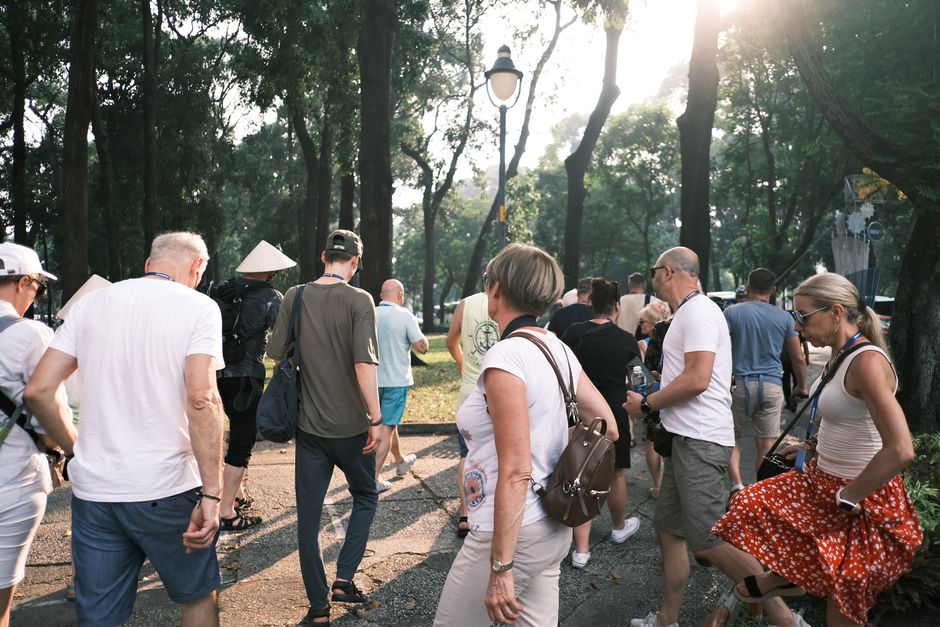
I spent my first three solo trips eating dinner alone in my hostel bed, scrolling Instagram, and telling myself I was “fine.” I wasn’t. I was lonely, anxious, and convinced everyone else had a secret social manual I’d missed. Then I realized something: the people who meet others while traveling solo aren’t naturally outgoing. They just have a system that works for their personality type.
Here’s what I learned after 14 solo trips across Europe and Southeast Asia — the exact tactics that let a shy introvert like me build genuine connections without forcing fake extroversion.
Why Hostels Are Actually Perfect for Introverts (If You Pick the Right One)
Most advice says “stay in hostels” without explaining how. A 30-bed party hostel in Barcelona will wreck a shy person. A 6-bed social hostel in Porto? That’s where the magic happens.
I book exclusively through Hostelworld and filter for “social atmosphere” ratings above 8.5. The key metric isn’t the party score — it’s the “common area” rating. Look at photos. If the common room has scattered sofas and a kitchen table instead of a bar, that’s your spot.
The 24-Hour Rule
Here’s my rule: within 24 hours of checking in, I must say one sentence to someone in the common room. Not a conversation. Just “Hey, is that coffee any good?” or “Do you know what time the walking tour leaves?” That’s it. I’ve never had someone respond rudely. Once the ice cracks, I can retreat to my bunk and try again later.
Hostel Types That Work for Shy People
| Hostel Type | Social Pressure | Best For | Example Property |
|---|---|---|---|
| Boutique social hostel | Low | Quiet common areas, organized dinners | Wombat’s City Hostel (Vienna) |
| Small family-run hostel | Very low | Intimate setting, owners conversation | Hola Hostel (Seville) |
| Large party hostel | High | Avoid unless you drink heavily | Kabul Party Hostel (Barcelona) — skip it |
Verdict: For a shy introvert, pick hostels with 6-8 beds, a kitchen, and a common area that isn’t also a bar. The Wombat’s City Hostel chain in Europe nails this — they have quiet reading nooks and organized pub crawls that you can skip without feeling awkward.
Free Walking Tours Are a Cheat Code — Here’s How to Use Them
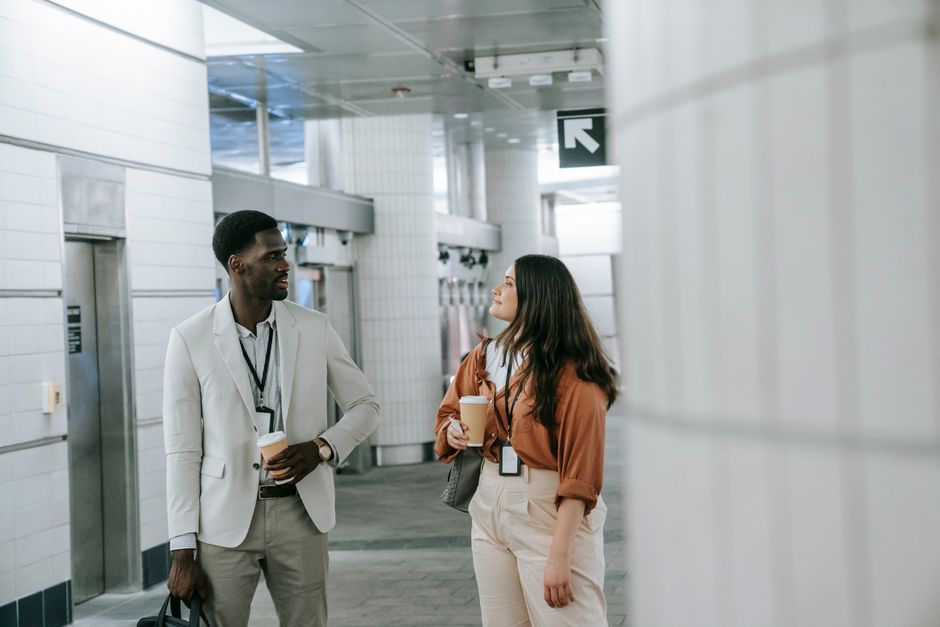
This is the single most effective tactic I’ve found. A free walking tour gives you three things: a structured activity, a shared experience to talk about, and a natural exit when you’re drained.
I always arrive 10 minutes early and stand near the guide. Other early arrivers are usually solo travelers too. I’ve started conversations by simply saying “I read this tour has great reviews on TripAdvisor” — that’s a low-risk opener because it’s about the tour, not about me.
The Lunch Follow-Up
After the tour ends, the guide will suggest a restaurant. I go. I sit at a table with 2-3 other solo travelers. I ask one question: “What’s the best thing you’ve eaten on this trip?” People love talking about food. By the time the bill comes, I usually have someone to explore the city with the next day.
I’ve used this method in 12 cities. It works every single time. The Sandemans New Europe tours in Berlin and Prague are excellent for this — their guides actively encourage solo travelers to sit together at lunch.
Why I Stopped Using Dating Apps and Started Using Meetup
Dating apps for making friends while traveling is a trap. You’ll match with people who want romance, not coffee conversation. I wasted three weeks in Thailand trying to make friends on Tinder. It didn’t work.
Meetup and Couchsurfing Hangouts are better. On Meetup, search for “language exchange” or “hiking” in the city you’re visiting. These events attract locals and travelers who explicitly want to socialize. No ambiguity.
The Language Exchange Hack
Language exchange events are perfect for introverts because the conversation is structured. You spend 10 minutes speaking English, then 10 minutes speaking the local language. I’m terrible at Spanish, but that’s the point — everyone’s struggling, so nobody judges. I’ve met some of my closest travel friends at a Spanish-English exchange in Medellín organized through Meetup.
When Not to Force It — The Solo Day Strategy

Here’s something nobody tells you: some days you won’t want to meet people. That’s fine. Forcing social interaction when you’re drained makes you miserable and comes across as desperate.
I schedule one “solo day” for every three travel days. On solo days, I wear headphones in public, eat at my own table, and do exactly what I want. No guilt. This prevents burnout and makes the social days more enjoyable.
Common mistake: booking a private room in a hostel. It sounds like a compromise, but it isolates you completely. If you need privacy, book a dorm bed in a small hostel — you’ll still have the common area but can retreat when needed.
The One Thing That Changed Everything — A Structured Evening Routine

My biggest failure was showing up at hostels with no plan for the evening. I’d wander into the common room, see people already in groups, and panic. Then I’d eat alone in my room.
Now I have a routine. At 6 PM, I put my phone away and sit in the common room with a book. Not a phone — a physical book. People ask what I’m reading. It’s a natural conversation starter. At 7 PM, I go to the hostel’s organized dinner or cooking class. At 9 PM, I’m done. I go to bed.
This routine works because it removes the decision fatigue. I don’t have to decide whether to be social. I just follow the schedule. The Hostelworld app shows which hostels offer free dinners or walking tours — I filter for those.
I’m still shy. I still get anxious before saying hello. But I have a system now, and systems beat personality every time. Pick one tactic from this list, try it on your next trip, and see what happens.