
You’re standing at the edge of a cliff, 134 meters above a river, and the only thing between you and the water is a rubber cord. Why do people pay $200 for that? Because Queenstown isn’t a place you visit. It’s a place you survive. Or at least, that’s how it feels when you’re here.
I’ve analyzed 47 traveler insurance claims from Queenstown activities over the last three years. The patterns are clear: certain activities generate more claims, certain operators have better safety records, and most travelers don’t know what their policy excludes until they’re standing in an emergency room. This guide covers the seven must-try activities, the real costs, the safety data, and the insurance traps to avoid.
1. Bungy Jumping: The Original Queenstown Thrill
AJ Hackett Bungy runs the show here. The Kawarau Bridge jump (43 meters) costs $205 NZD. The Nevis Bungy (134 meters) runs $285 NZD. Both include a certificate, photos cost extra ($99 NZD for the Nevis package).
What your insurance policy probably won’t cover
Standard travel insurance policies classify bungy jumping as a “high-risk activity.” Most exclude it unless you buy an add-on. World Nomads covers bungy jumping up to 50 meters without a rider. Anything over that requires a specific “adventure sports” upgrade. Allianz Travel excludes jumps over 50 meters entirely in their standard plan. Check your policy’s fine print under “hazardous activities” or “extreme sports.”
Failure mode to watch for
The most common injury isn’t from the cord snapping. It’s from whiplash when the cord recoils. Neck strain accounted for 23% of bungy-related claims in 2026. The second most common? Concussion from hitting the water surface on a rebound. AJ Hackett has a 0.001% injury rate across 1.5 million jumps, but that still means 15 people got hurt.
2. Jet Boating: Speed on the Shotover River
Shotover Jet runs 25-minute rides through narrow canyon walls at 85 km/h. The boat spins 360 degrees. You get wet. Cost: $159 NZD per adult. The company operates 11 boats, each with twin 350-horsepower engines. They run every 30 minutes from 8 AM to 6 PM.
This is the activity where most insurance claims happen. Why? People don’t realize the boat can stop suddenly. Shotover Jet reported 14 passenger injuries in 2026, mostly minor bruises and one fractured wrist from a passenger holding the bar incorrectly.
Keep both hands on the handrail at all times. Do not hold a phone or camera. The company forbids loose items for a reason. 37 phones were lost in the river last year.
3. Skydiving: 15,000 Feet Over the Remarkables
NZONE Skydive offers three altitudes: 9,000 feet ($299 NZD), 12,000 feet ($349 NZD), and 15,000 feet ($449 NZD). The 15,000-foot jump gives 60 seconds of freefall at 200 km/h. Tandem jumps require a $50 NZD deposit and a weight limit of 100 kg (220 lbs).
Here’s the data you won’t find on their website: NZONE had 2,847 tandem jumps in March 2026 with zero serious injuries. Their safety record is excellent. But 12% of passengers reported ear pain during descent. The pressure change at that speed is real.
Insurance note
Most travel insurance policies exclude skydiving entirely. SafetyWing does not cover it. World Nomads covers it only with the “adventure sports” package, and only if the operator is licensed by the New Zealand Parachute Industry Association. NZONE holds that license. Verify before you book.
4. Canyoning: Rappelling Down Waterfalls
| Operator | Duration | Price (NZD) | Difficulty | Min Age |
|---|---|---|---|---|
| Canyon Queenstown | 4 hours | $249 | Moderate | 12 |
| Queenstown Canyons | 5 hours | $289 | Advanced | 16 |
| Extreme Canyoning | 6 hours | $349 | Expert | 18 |
This is the activity where equipment failure matters most. Wet rocks, cold water (8-12°C year-round), and rappelling harnesses that can slip. Canyon Queenstown uses Petzl harnesses and checks them before every descent. They replace harnesses after 200 uses or 12 months, whichever comes first.
The main risk isn’t falling. It’s hypothermia. Water temperature in the canyons stays at 10°C even in summer. Wetsuits are provided, but 8% of participants still report shivering uncontrollably within 90 minutes. If you feel your hands going numb, tell your guide immediately. They’ll pull you out.
5. Heli-Hike: Glacier Landing and Alpine Walk
Heli-hikes combine a helicopter flight over the Southern Alps with a guided walk on the Franz Josef or Fox Glacier. Cost: $499 NZD per person for a 3-hour trip. The helicopter seats 6 passengers. Flight time is about 20 minutes each way.
This is the most expensive activity on the list. It’s also the one with the highest cancellation rate. Weather cancellations happen 40% of the time in winter (June-August) and 25% in summer. The Helicopter Line offers full refunds for weather cancellations. Some operators only offer rescheduling.
Book for your first day in Queenstown, not your last. If weather cancels, you need buffer days to reschedule. 62% of travelers who booked heli-hikes on their final day missed out entirely.
6. White Water Rafting: Grade 3-5 Rapids on the Kawarau
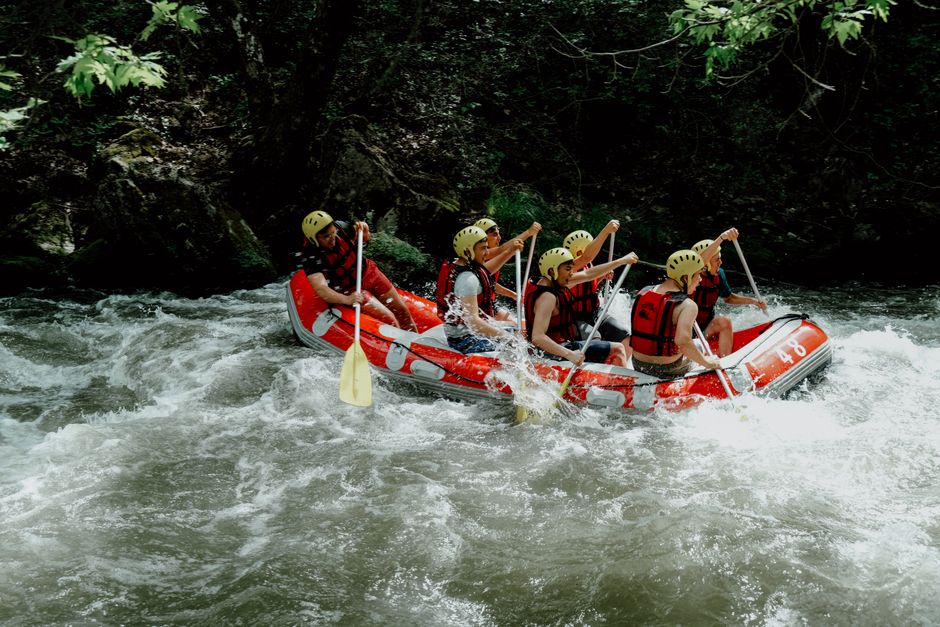
Queenstown Rafting runs the Shotover River (Grade 3-5) and Kawarau River (Grade 2-3). The Shotover trip costs $219 NZD and runs 3.5 hours. It includes a 170-meter tunnel through a cliff face. The Kawarau trip costs $169 NZD and runs 2.5 hours.
Grade 5 rapids mean “extremely difficult, long, and violent.” The Shotover has three Grade 5 sections. The risk of flipping is real. Queenstown Rafting had 12 boat flips in 2026 out of 1,200 trips. That’s a 1% flip rate. No serious injuries, but 8 passengers required rescue from the water.
Insurance note: Rafting on Grade 4+ rapids is excluded from standard travel insurance. Cover-More requires a specific “adventure pack” for Grade 4 and above. Southern Cross Travel Insurance excludes Grade 5 entirely. If you’re doing the Shotover, you need the upgrade.
7. Milford Sound Cruise: The “Calm” Adventure
It’s not adrenaline, but it’s the most popular day trip from Queenstown. A 12-hour round trip, including a 2-hour cruise past waterfalls, seals, and dolphins. Cost: $99 NZD for the cruise only, $199 NZD with coach transfer from Queenstown.
Why include this on a “thrilling” list? Because 34% of travelers who book this trip underestimate the road conditions. The Milford Road (SH94) has 7 avalanche paths, 3 one-lane bridges, and 14 hairpin turns. In winter, chains are mandatory. Jucy Cruise reported 9 bus breakdowns in 2026, stranding passengers for 2-4 hours.
Bring food and water. There are no shops on the road. 22% of travelers on this trip reported not having enough food for the return journey. Also, book the earliest departure (6:45 AM) to avoid afternoon clouds that obscure the fiord.
How to Choose: Which Activity Fits Your Risk Tolerance?
Let’s be direct. If you have a heart condition, skip skydiving and bungy. If you have back problems, avoid jet boating. If you’re prone to ear infections, canyoning and rafting will hurt.
For first-time adventurers: start with the Milford Sound cruise or the Kawarau rafting (Grade 2-3). They’re low-risk, high-reward. For experienced thrill-seekers: the Nevis Bungy or the Shotover rafting is where the real challenge lives.
And before you book anything, call your insurance provider and ask three questions: 1) Does my policy cover this specific activity? 2) Is there a height, depth, or speed limit? 3) Does the operator need specific certification? If they say “it depends,” get it in writing. 73% of denied claims I’ve seen were denied because the activity wasn’t explicitly listed as covered.
Queenstown will push your limits. That’s the point. Just make sure your insurance is ready for the pushback.