

A weekend getaway to Quebec offers diverse experiences, from vibrant city life to tranquil natural landscapes. Effective planning ensures you maximize your short visit, whether seeking cultural immersion or outdoor adventure. This guide outlines key considerations for a successful and memorable trip.
Choosing Your Quebec Destination: City vs. Nature
Selecting the right destination sets the tone for your Quebec weekend. The province offers distinct environments. Focus your choice on either bustling urban centers or serene natural retreats. Each provides unique activities and atmospheres suitable for different travel styles.
Quebec City vs. Montreal Vibe
Quebec City delivers a distinctly European feel, characterized by its historic Old Quebec district, cobblestone streets, and fortified walls. It’s ideal for those seeking romance, history, and a slower pace. Think boutique hotels, fine dining, and exploring UNESCO World Heritage sites like the Plains of Abraham. Montreal, conversely, is a dynamic metropolis with a modern edge. It blends French and English cultures seamlessly. Expect a vibrant nightlife, world-class museums, diverse culinary scenes, and impressive architecture, from the Notre-Dame Basilica to contemporary art installations. Montreal suits travelers looking for energy, variety, and a broader array of entertainment options.
Laurentians vs. Eastern Townships Activities
For nature lovers, both the Laurentians and the Eastern Townships provide excellent escapes. The Laurentians, north of Montreal, are famous for ski resorts like Mont Tremblant, extensive hiking trails, and picturesque lakes. In winter, downhill skiing, snowboarding, and cross-country skiing dominate. Summer brings mountain biking, kayaking, and golf. The region is well-developed for tourism, offering a range of accommodations from luxury resorts to cozy chalets. The Eastern Townships, southeast of Montreal, are known for their rolling hills, vineyards, and charming villages. This region emphasizes agritourism, cycling routes, and spa retreats. It provides a quieter, more refined outdoor experience, often coupled with gourmet dining and wine tasting. Both regions offer stunning fall foliage displays. Your choice depends on whether you prefer a more active, resort-oriented experience (Laurentians) or a tranquil, culinary-focused retreat (Eastern Townships).
| Feature | Quebec City | Montreal | Laurentians | Eastern Townships |
|---|---|---|---|---|
| Primary Vibe | History, Romance, European Charm | Culture, Nightlife, Modern Energy | Active Outdoors, Resorts | Relaxation, Agritourism, Scenery |
| Key Attractions | Old Quebec, Château Frontenac, Montmorency Falls | Notre-Dame Basilica, Old Port, Plateau Mont-Royal | Mont Tremblant, Parc National du Mont-Tremblant | Spa Eastman, Wine Route, Lake Memphremagog |
| Best For | Couples, History Buffs, Relaxed Pace | Foodies, Art Lovers, Urban Explorers | Skiers, Hikers, Active Families | Cyclists, Gourmands, Spa Enthusiasts |
| Travel Time (from Montreal) | ~2.5 hours | N/A | ~1.5-2 hours | ~1.5-2 hours |
Maximizing a Short Stay: Travel Logistics
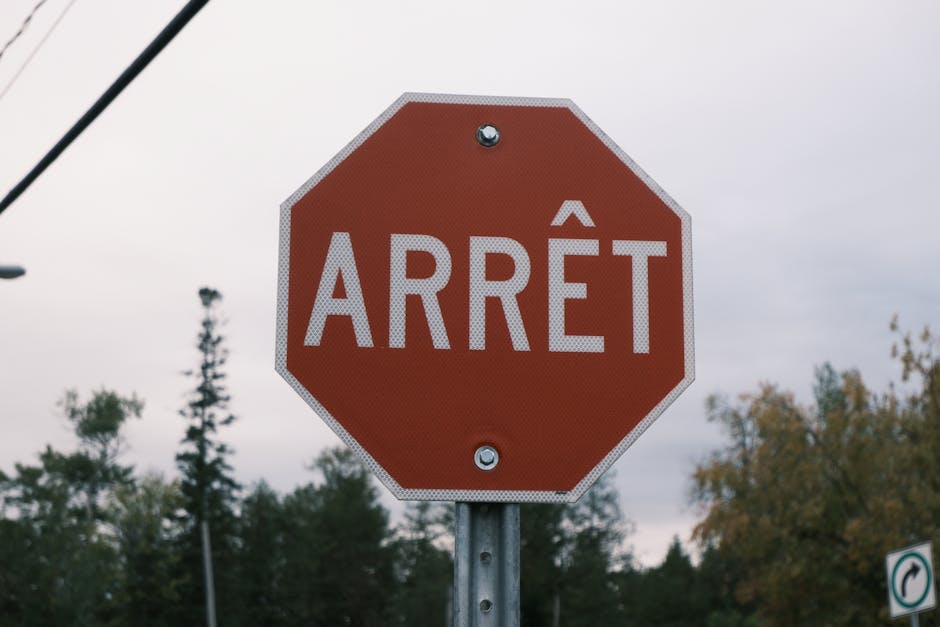
Effective logistics planning makes all the difference for a weekend trip. Every hour counts. Streamlining your travel and booking processes ensures more time for enjoyment and less stress.
-
Driving vs. Train Travel Times
For destinations like Montreal and Quebec City, Via Rail offers comfortable and scenic train service, typically taking around 3.5 hours between the two major cities. This eliminates parking hassles and allows you to relax. However, a car provides flexibility for exploring rural areas like the Laurentians or Eastern Townships. From Montreal, driving to Mont Tremblant takes about 1.5 hours, and to Magog in the Eastern Townships, also around 1.5 hours. Consider traffic, especially on Friday afternoons exiting major cities. For remote areas, a rental car is essential for true freedom to explore.
-
Accommodation Booking Windows
Demand for popular Quebec destinations, especially Quebec City and Mont Tremblant, spikes during peak seasons—summer, fall foliage, and winter holidays. Book accommodation at least 3-4 months in advance for these periods. For shoulder seasons (spring, late fall), 1-2 months is usually sufficient. Last-minute bookings risk higher prices or limited availability, particularly for desirable boutique hotels or charming bed and breakfasts.
-
Packing Essentials for Quebec’s Seasons
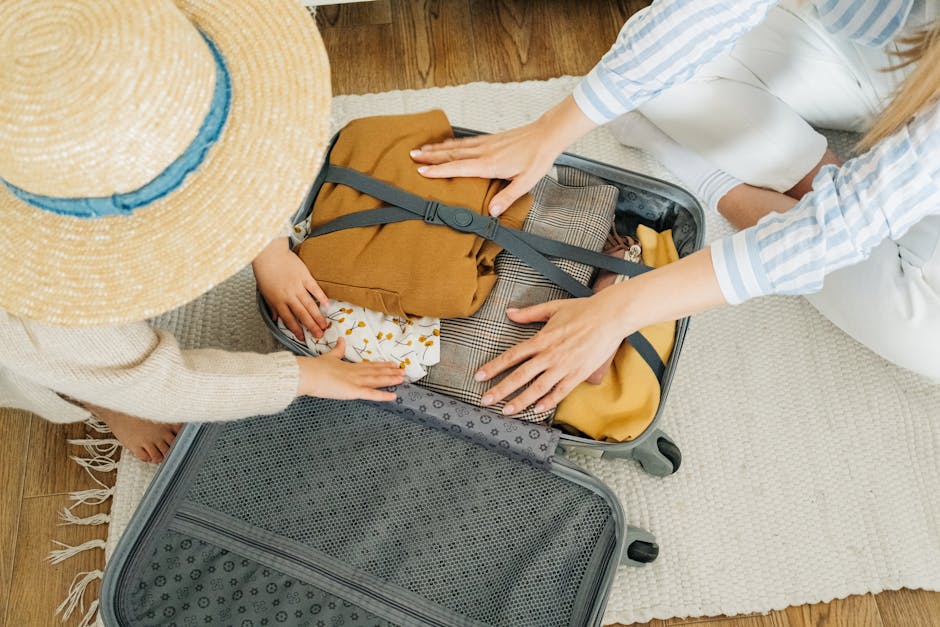
Quebec experiences four distinct seasons, each requiring specific packing. Summers are warm and humid (20-30°C), requiring light clothing, but always pack a light jacket for evenings. Fall brings crisp air and vibrant colors (10-20°C); layers are crucial, including sweaters and a waterproof jacket. Winters are cold and snowy (down to -25°C or colder); essential items include a warm winter coat, hat, gloves, scarf, and waterproof boots with good grip. Spring is variable (0-15°C) with melting snow and rain, so waterproof footwear and layers are key.
Common Mistakes First-Time Quebec Visitors Make
Many first-time visitors to Quebec encounter similar pitfalls. Avoiding these can significantly improve your experience. Planning ahead for cultural nuances and seasonal demands is crucial for a smooth trip.
Underestimating Language Differences
Quebec is primarily French-speaking. While Montreal is quite bilingual, especially in tourist areas, venturing into Quebec City or smaller towns means encountering more French. Assume most signs, menus, and announcements will be in French. Learning a few basic phrases—Bonjour (hello), Merci (thank you), S’il vous plaît (please), Parlez-vous anglais? (Do you speak English?)—shows respect and can ease interactions. Most people in tourist-facing roles speak English, but a polite attempt in French is always appreciated. Do not expect everyone to be fluent in English. This is a common oversight that can lead to frustration if not prepared for.
Neglecting Peak Season Crowds and Costs
Quebec’s natural beauty and cultural events draw significant crowds during specific times. The summer months (June to August), fall foliage season (late September to mid-October), and winter holidays are particularly popular. During these periods, hotel prices can increase by 30-50%, and popular attractions may have long queues. Restaurants require reservations well in advance. Planning your visit during the shoulder seasons—late April to early June, or late October to early December—can offer a more relaxed experience with fewer crowds and often better deals on accommodation and flights. Even then, popular festivals can create localized peak demand, so always check local event calendars.
Overpacking or Under-preparing for Weather
Travelers often make two mistakes with packing: bringing too much or not bringing the right gear for Quebec’s varied climate. The weather can change rapidly, particularly in spring and fall. A sunny morning can turn into a chilly, rainy afternoon. For a weekend, aim for versatile layers. A lightweight, waterproof jacket is almost always a good idea, regardless of the season. In winter, underestimating the cold is a major issue; proper thermal base layers, a robust winter coat, and insulated, waterproof boots are not optional, especially if you plan outdoor activities like ice skating or snowshoeing. Conversely, hauling a large suitcase for a two-day trip is cumbersome. Stick to a carry-on and focus on adaptable clothing.
Best Weekend Itineraries for Specific Interests
Choosing a weekend itinerary that aligns with your passions guarantees a more fulfilling trip. Quebec caters to diverse tastes. My top recommendations focus on maximizing specific experiences within a short timeframe.
For the Foodie and Culture Seeker (Quebec City)
For a rich blend of gastronomy and history, Quebec City is unmatched. Begin your Saturday exploring Old Quebec, focusing on Rue du Petit Champlain and Place Royale. Lunch at a traditional Quebecois bistro, perhaps one offering tourtière or poutine. In the afternoon, visit the Plains of Abraham or the Citadelle of Quebec. For dinner, experience fine dining at establishments like Chez Muffy or Le Continental, known for their local ingredients and ambiance. Sunday can include a visit to Montmorency Falls, just outside the city, followed by a brunch featuring local cheeses and maple products. Dedicate time to the Grand Marché de Québec for local delicacies and souvenirs. The city’s walkable nature makes it easy to soak in the atmosphere without constant travel.
For the Outdoor Adventure Enthusiast (Charlevoix)
If adventure calls, the Charlevoix region stands out. This UNESCO Biosphere Reserve, about 1.5 hours northeast of Quebec City, offers stunning landscapes. Base yourself in Baie-Saint-Paul or La Malbaie. On Saturday, hike in Parc national des Hautes-Gorges-de-la-Rivière-Malbaie, known for its towering cliffs and pristine river. Kayaking or white-water rafting on the Malbaie River are also excellent options. In winter, snowshoeing or ice climbing are popular. Sunday can involve a whale watching excursion on the St. Lawrence River (best from May to October, departing from Tadoussac or Baie-Sainte-Catherine) or exploring the region’s art galleries and local cheese producers. The blend of rugged terrain and coastal views provides an exhilarating escape.
For Relaxation and Wellness (Eastern Townships)
The Eastern Townships are the definitive choice for a tranquil, rejuvenating weekend. Focus on towns like Magog or Sutton. On Saturday, indulge in a spa day at a renowned wellness center such as Spa Eastman or Balnea Spa. These establishments offer extensive treatment menus, thermal baths, and healthy cuisine. Afternoon activities could include a gentle walk through a vineyard or a visit to the Abbaye Saint-Benoît-du-Lac, known for its Gregorian chants and local products. Sunday can be dedicated to scenic drives along the Wine Route, stopping at local wineries for tastings. Consider a leisurely bike ride on one of the many picturesque trails. The region’s focus on natural beauty, culinary delights, and relaxation provides a perfect antidote to urban stress.
What to Budget for a Quebec Weekend Getaway
Budgeting is key to any trip. A Quebec weekend getaway’s cost varies significantly based on destination, accommodation type, and activities. Expect higher prices in major cities and during peak tourist seasons.
Average Costs for Accommodation and Dining
For a moderate budget, expect to spend approximately $150-$250 per night for a comfortable hotel or B&B in Montreal or Quebec City. Rural areas like the Laurentians or Eastern Townships might offer slightly lower rates, around $120-$200. Dining costs can range widely. A casual meal might be $20-$30 per person, while a mid-range restaurant could be $40-$60 per person, excluding drinks. Fine dining experiences can easily exceed $100 per person. Factor in an average of $80-$120 per person per day for food and non-alcoholic beverages.
Activity Pricing Examples
Many activities in Quebec offer good value. Museum entry fees typically range from $15-$25. Whale watching tours in Charlevoix can cost $70-$100 per person. Ski lift tickets at Mont Tremblant can be $80-$120 per day. Access to national parks like Parc national des Hautes-Gorges-de-la-Rivière-Malbaie is around $9 per person. Many urban attractions, like walking tours of Old Quebec, range from $25-$40. Budget roughly $50-$100 per person per day for activities, depending on your interests.
Navigating Local Transport and Getting Around
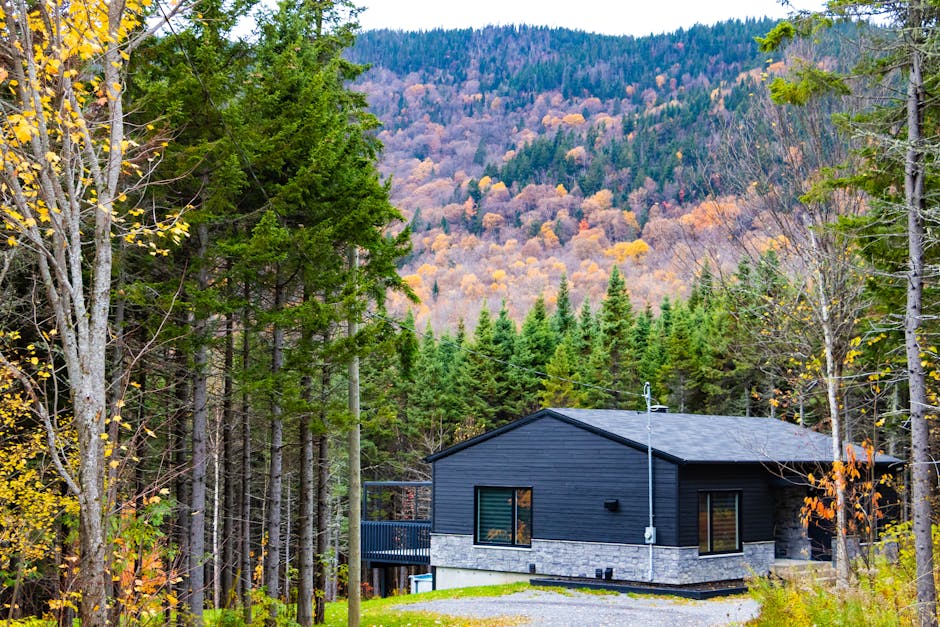
Understanding local transport options is crucial for efficient travel. in a bustling city or exploring rural landscapes, knowing how to get from point A to B saves time and reduces stress.
Public Transit in Major Cities
Montreal boasts an extensive and efficient public transit system, operated by the Société de transport de Montréal (STM). Its metro network is clean, fast, and covers most major attractions. A single fare costs $3.75, with multi-day passes offering better value for weekend visitors (e.g., a 3-day pass for $21.25). Quebec City’s public transit, provided by the Réseau de transport de la Capitale (RTC), relies more on buses. While less extensive than Montreal’s metro, it effectively connects Old Quebec with other parts of the city. A single fare is $3.75. For both cities, using transit eliminates the hassle and expense of parking, which can be difficult and costly in downtown areas. Consider purchasing a pass upon arrival to simplify travel.
Rental Car Considerations for Rural Areas
For destinations like the Laurentians, Eastern Townships, or Charlevoix, a rental car is almost essential. Public transit options are limited outside of major urban centers. Rental car rates vary but expect to pay around $50-$100 per day, plus fuel costs. Ensure your rental includes unlimited mileage. During winter, consider opting for a vehicle with winter tires (often mandated by law in Quebec from December 1st to March 15th) for safety on snowy or icy roads. Navigating rural Quebec is straightforward with GPS, as major routes are well-marked. Be aware that cell service can be spotty in very remote areas. Having a paper map or offline GPS can be a smart backup.
Specific Routes and Scenic Drives
Quebec offers numerous scenic drives perfect for a weekend trip. The Route 138 East from Quebec City towards Charlevoix is particularly stunning, offering views of the St. Lawrence River and charming coastal towns. The Wine Route in the Eastern Townships provides a picturesque journey through vineyards and rolling hills. For fall foliage, the Laurentian Highway (Autoroute 15 North) transforms into a vibrant tunnel of color. These drives are attractions in themselves, allowing you to experience Quebec’s diverse landscapes at your own pace. Plan for stops at local markets, viewpoints, and small villages along the way to truly appreciate the journey.
Top Quebec Experiences Worth the Trip
Quebec abounds with unique experiences that define its character. Identifying these key attractions helps shape an unforgettable weekend. Focus on activities that highlight the region’s distinct culture and natural beauty.
What is the best time for a Quebec City visit?
The best time to visit Quebec City truly depends on what you want to experience. For a classic, romantic atmosphere, December during the holiday season, with its snow-covered streets and festive lights, is magical. However, it’s also very cold. For milder weather and outdoor exploration, early summer (June) or early fall (September) offer pleasant temperatures and fewer crowds than peak August. The famous Winter Carnival in February is an iconic, albeit chilly, experience. If history and walking are priorities, avoid the hottest summer weeks and coldest winter months.
Where can I find authentic Quebecois cuisine?
Authentic Quebecois cuisine is found throughout the province, but some places stand out. In Quebec City, look for traditional bistros in Old Quebec or St-Roch for dishes like poutine, tourtière, and maple-infused desserts. Montreal’s Jean-Talon Market and Atwater Market offer a vast array of local produce, cheeses, and charcuterie perfect for a picnic. For a true maple experience, visit a sugar shack (cabane à sucre) in spring, often found in rural areas like the Laurentians. Restaurants focusing on farm-to-table concepts in the Eastern Townships are also excellent for sampling regional specialties, including duck and venison dishes.
Are there unique outdoor activities year-round?
Yes, Quebec provides unique outdoor activities in every season. In winter, beyond skiing, try ice skating on the Rideau Canal (in Ottawa, close to Quebec) or Parc La Fontaine in Montreal, or snowshoeing in Parc national du Mont-Tremblant. Summer brings kayaking on the Jacques-Cartier River, hiking in the Gaspésie National Park, or cycling the scenic P’tit Train du Nord linear park in the Laurentians. Fall is prime time for apple picking in the Eastern Townships and enjoying breathtaking foliage. Spring, while a transition season, is perfect for visiting sugar shacks and witnessing the reawakening of nature in Quebec’s many provincial parks. Each season offers distinct opportunities to connect with Quebec’s natural environment.
A well-planned weekend getaway to Quebec promises a rich tapestry of experiences, from historic cityscapes to serene natural escapes. This destination continues to offer unique adventures, year after year, for every type of traveler.