
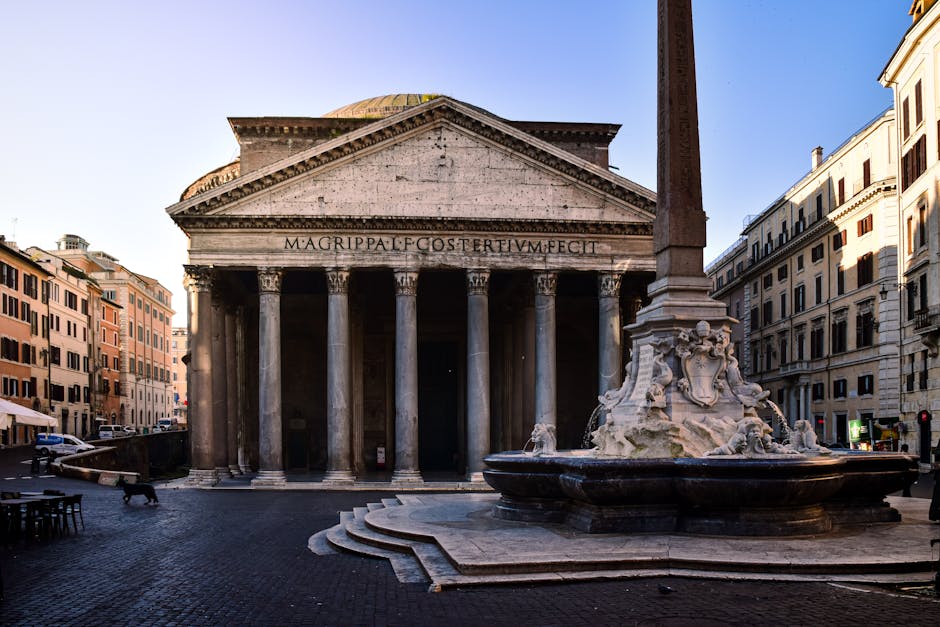
Rome receives 35 million visitors a year. Most of them wait in lines they didn’t have to wait in, eat near monuments they should have walked away from, and stay in neighborhoods that look good on a map but feel wrong to live in.
This guide fixes that. Real costs, real neighborhoods, real restaurants. Not suggestions — verdicts.
When to Visit Rome: A Season-by-Season Breakdown
April, May, and October are the best months. That’s the short answer. Here’s why every other month either cooks you, crowds you out, or does both at once.
August is when Romans leave. Locals head to the coast. Many family-run restaurants close for two to four weeks. The streets around the Colosseum hit 38°C by noon. If August is your only window, go — but book air-conditioned accommodation and start sightseeing before 9am or the heat becomes the story.
| Month | Crowd Level | Avg High Temp | Avg 3-Star Hotel | Best For |
|---|---|---|---|---|
| January–February | Low | 10–13°C | €80–€110/night | Budget travelers, quiet museums |
| March | Medium | 14–16°C | €100–€140/night | Early spring walkers |
| April–May | High | 18–24°C | €130–€200/night | Everyone — peak sweet spot |
| June–July | Very High | 28–34°C | €150–€220/night | Those with no other option |
| August | Tourist-High, Local-Low | 32–38°C | €110–€160/night | Beach-hoppers splitting the trip |
| September–October | High then Medium | 22–27°C | €120–€180/night | Best all-round value window |
| November–December | Low–Medium | 10–15°C | €85–€130/night | Christmas markets, thin crowds |
October Is the Underrated Pick
Crowds thin after the first week. Temperatures drop to a comfortable 22–24°C. Hotel prices fall 15–20% from peak summer rates. The afternoon light is different too — golden hour stretches longer, which matters if you care at all about photographing the city.
Easter Is a Trap
Easter weekend draws massive religious pilgrimages to St. Peter’s Square. The Vatican area hits capacity early. Book six months ahead if this is non-negotiable, and accept that Vatican Museums tickets often disappear without a bundled tour package. Most visitors who arrive without pre-booked tickets simply don’t get in.
January and February: The Underdog Window
Cold but not brutal — 10–13°C, with rain more likely than snow. The Colosseum queue drops from two hours to twenty minutes. Hotels hit their annual floor price. Musei Vaticani is walkable without body-to-body compression. If you care more about the art than the ambient warmth, winter wins on almost every metric.
The Colosseum Booking System Is More Complicated Than You Think
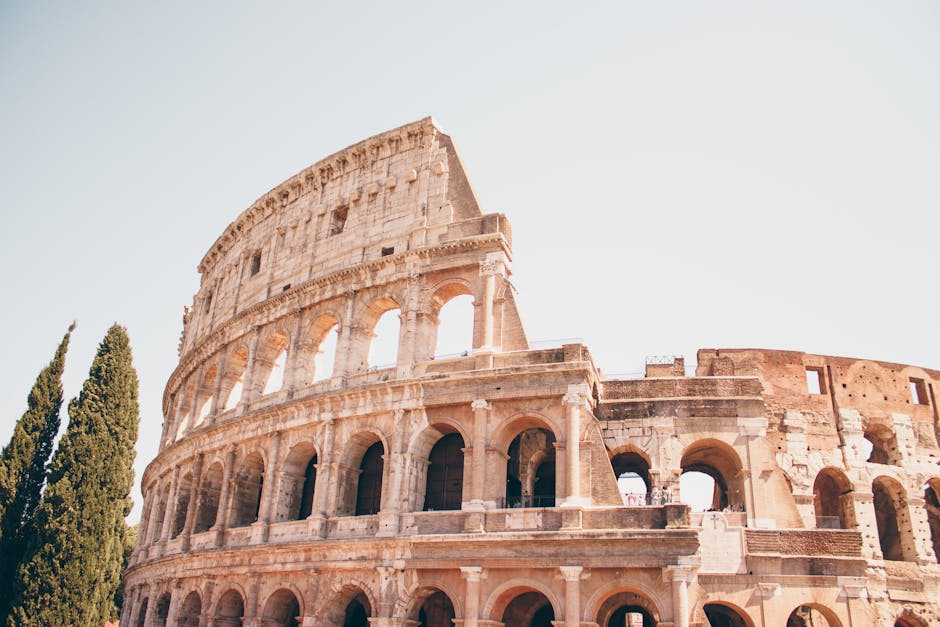
The single biggest planning mistake tourists make in Rome is misunderstanding which Colosseum ticket they actually bought.
There are at least six different entry types. The standard ticket (€18 per adult in 2026, booked directly at coopculture.it) covers the Colosseum interior, the Roman Forum, and Palatine Hill. That sounds complete — but it excludes the underground hypogeum (the tunnels where gladiators and animals waited before fights), the arena floor itself, and the third-ring terrace. Each requires a separate, more expensive booking.
What “Skip the Line” Actually Delivers
Third-party skip-the-line tours sold on Viator and GetYourGuide range from €30 to €80 per person. Many of them include nothing more than a pre-booked standard entry — the same €18 ticket you can buy directly. The “skip” means you bypass the walk-up queue window, not that you’re accessing anything exclusive.
Book directly at coopculture.it and save the markup. Time slots fill 2–3 weeks ahead in summer. In January, 5 days ahead is usually enough. There’s a €2 online booking fee either way — minor compared to the third-party premium.
Underground vs. Arena Floor: Which Upgrade Is Worth It
The underground hypogeum costs €22 on top of standard entry. It’s a guided walk through the tunnels where gladiators and animals staged before fights — genuinely atmospheric, not just another viewing gallery. The arena floor experience gives you the perspective from ground level where the combat happened. Both upgrades together push the total past €60 per person, and the tours are back-to-back, which is physically exhausting.
Verdict: book the underground. Skip the arena floor unless Roman history is your main reason for being in Italy at all.
Palatine Hill: The Site Most Visitors Abandon Too Early
Palatine is included in your standard Colosseum ticket. The majority of visitors walk the Roman Forum and leave, never realizing the hill directly above holds the ruins of imperial palaces and better sightlines than anywhere on the Forum floor. Budget 90 extra minutes. Climb Palatine before you walk the Forum — shade is better up top, and the view back over the Forum toward the Colosseum doesn’t exist at ground level.
Where to Stay in Rome: One Clear Pick, No Hedging
Stay in Monti or Trastevere. Everything else is either too expensive for what it delivers, too far from the historic center, or — in the blocks surrounding Termini station — actively unpleasant after 9pm.
Monti vs. Trastevere: The Real Difference
Monti sits between the Colosseum and the city center, walkable east of the Tiber to the Forum (10 minutes), Trevi Fountain (20 minutes), and the Pantheon (25 minutes). The neighborhood feels lived-in — wine bars, independent boutiques, trattorias that don’t laminate their menus with food photos. Boutique hotels like Residenza Monti run €120–€180 per night with breakfast included. For budget travelers, Generator Rome on Via Principe Amedeo offers hostel beds from €25, though it sits at the edge of the Termini zone and the surrounding streets show it.
Trastevere is across the Tiber. Louder at night — student crowds, bars, outdoor tables until midnight. More Instagram-famous. Slightly more expensive at restaurants because the tourist-to-local ratio has shifted in recent years. Still a good choice, but go in expecting noise.
What to Avoid
The blocks immediately around Termini station have a high density of overpriced mid-range hotels, above-average petty theft, and dining options that underperform at every price point. It’s convenient for train connections — that’s the only argument for staying there. Prati, across from the Vatican, is clean and calm but overpriced relative to what you get. Skip both unless your itinerary specifically requires them.
Getting Around Rome: Straight Answers
Is the airport taxi worth it from Fiumicino?
Rome fixes the Fiumicino (FCO) taxi rate at €50 flat to central Rome for up to four passengers with luggage — regulated, non-negotiable. For a solo traveler or couple, the Leonardo Express train is €14 per person and takes 32 minutes direct to Termini. For families of three or four, split the cab. Uber operates in Rome only via UberBlack (professional licensed drivers) — expect €55–€70 for the same route. Not worth it over a regulated taxi.
Metro pass or single tickets?
Rome’s metro has two useful lines: A and B. Most historic center sights require walking or bus, not underground travel. A single trip costs €1.50 and is valid for 100 minutes. A 24-hour pass is €7. If you’re making more than five trips per day, the pass wins. Most visitors make three to four — making single tickets better value. Buy them at tabacchi kiosks rather than station machines, which malfunction regularly and reject foreign cards more often than they should.
Can you walk the whole city?
Yes — but plan for 8–12km per day on a full itinerary. The Colosseum to the Pantheon is 25 minutes on foot. The Pantheon to the Vatican is 40. Trevi Fountain to Piazza Navona is 10. Distances add up fast and Rome’s cobblestones are uneven throughout the historic center. Sandals after hour six on sampietrino stones are a genuine mistake. Comfortable walking shoes are not a suggestion — they determine how the second half of every day feels.
Where Romans Actually Eat
Avoid any restaurant within 200 meters of the Colosseum, Trevi Fountain, or Piazza Navona. Walk two streets away in any direction and prices drop 30–40% for comparable food.
For cacio e pepe, Da Enzo al 29 in Trastevere (Via dei Vascellari 29) is the correct answer — cash only, no reservations for small groups, line forms before the 12:30pm opening. For pizza al taglio, Pizzarium by Gabriele Bonci near the Vatican (Via della Meloria 43) is the benchmark everything else is measured against. For gelato, skip anything with fluorescent colors piled high — that’s artificial dye and air, not gelato. Gelateria dei Gracchi (Via dei Gracchi 272) uses seasonal ingredients and serves from flat metal containers, which is how you identify the real thing.
Budget €12–€18 for a full lunch with house wine at a neighborhood trattoria away from monuments. That same meal near the Colosseum runs €28–€40.
A 3-Day Rome Framework That Holds Together
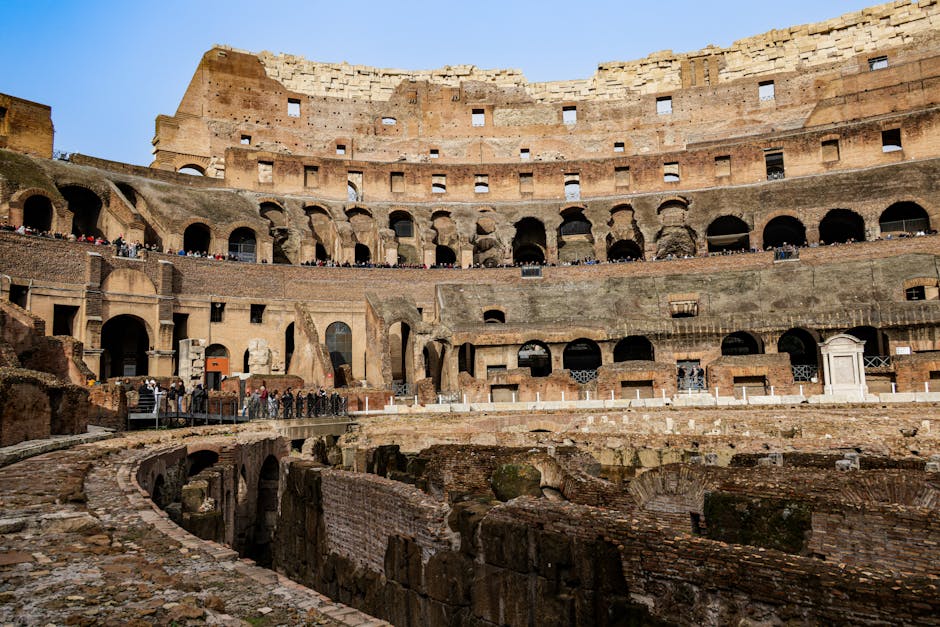
The most common itinerary mistake in Rome is planning geographically by attraction, not by neighborhood. You end up crossing the city twice before noon. Group your days by zone instead.
- Day 1 — Ancient Rome: Colosseum at first entry slot (pre-booked), Roman Forum, Palatine Hill. Afternoon: Circo Massimo, Aventine Hill for the Knights of Malta keyhole view of St. Peter’s dome. Dinner in Testaccio — the old slaughterhouse district where Romans actually eat, not tourists.
- Day 2 — Vatican and Prati: Vatican Museums open at 9am; Sistine Chapel before 10am crowds arrive. St. Peter’s Basilica after — free, no booking required. Afternoon: Castel Sant’Angelo exterior walk, Tiber riverside. Dinner in Prati.
- Day 3 — Centro Storico: Pantheon before 9am (free entry during morning mass). Campo de’ Fiori morning market. Piazza Navona. Trevi Fountain — arrive before 8am, the plaza empties out significantly before the tourist wave. Spanish Steps. Villa Borghese gardens in late afternoon.
| Day | Morning Focus | Afternoon Add-on | Dinner Zone | Key Pre-Booking |
|---|---|---|---|---|
| Day 1 | Colosseum + Forum + Palatine | Aventine Hill | Testaccio | coopculture.it — timed entry |
| Day 2 | Vatican Museums + Sistine | Castel Sant’Angelo | Prati | museivaticani.va — morning slot |
| Day 3 | Pantheon + Campo de’ Fiori | Borghese Gallery | Monti or Trastevere | galleriaborghese.it — mandatory |
The Borghese Gallery Non-Negotiable
Galleria Borghese caps entry at 360 visitors per two-hour slot. It holds Bernini’s original marble sculptures, multiple Caravaggio paintings, and a Canova Venus — among the finest collections in Europe. It sells out three to four weeks ahead in summer without exception. Book at galleriaborghese.it the moment your Rome dates are confirmed. Entry is €15 plus a €2 booking fee. If you miss the booking window, you will not get in on the day. This is one of the few Rome rules with zero workaround.
The Trevi Fountain Timing Reality
By 10am, the fountain plaza is shoulder-to-shoulder. By noon, approaching the edge requires patience most travelers don’t have after a full morning. The fountain runs all night. The plaza clears significantly after midnight — a genuine option if you’re a night owl and want the image without 400 people in frame. Otherwise, 7am is the window. Set the alarm once and get it done.
Rome is a city that rewards logistics done before arrival. Every attraction you pre-book is an hour saved in line — and across three days, those hours compound into the difference between a city that opens up and one that grinds you down at the gate.