
You found three cruise job websites on a Sunday afternoon. One wanted $49 to access its listings. Another accepted your resume, sent an autoresponse, and never followed up. The third looked professional until you noticed the contact email was a Gmail address.
None of those are how cruise hiring actually works.
The cruise industry genuinely needs workers. Royal Caribbean expanded its fleet significantly after 2026, and MSC Cruises added thousands of crew positions across new ships entering service. The jobs are real. But the hiring pipeline runs through specific channels most people outside the maritime industry don’t know about — and it has one certification requirement that filters out a significant portion of applicants before any recruiter ever reads their application.
What Jobs Are Available and What They Actually Pay
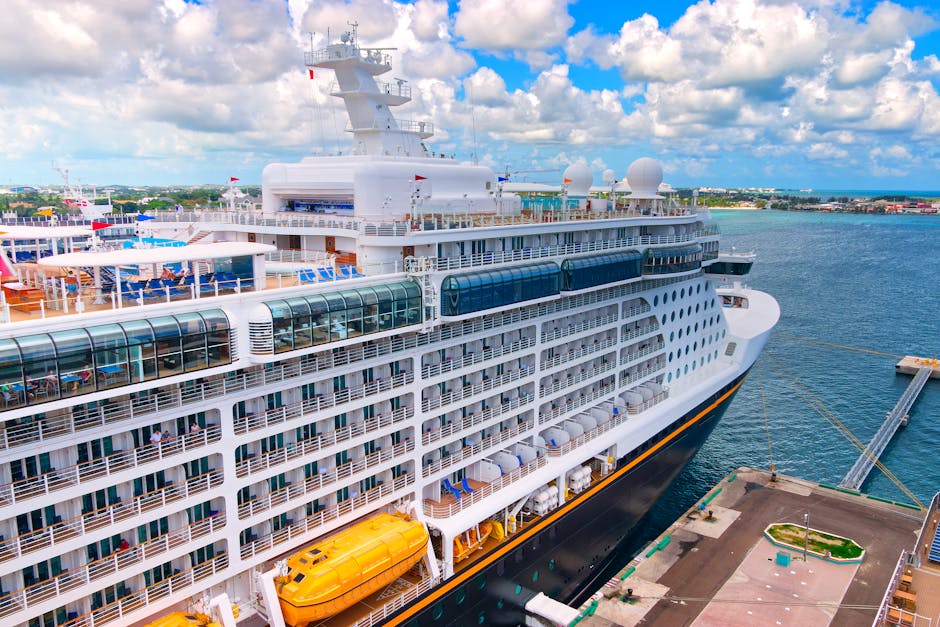
Cruise ships operate like floating cities. The Royal Caribbean Wonder of the Seas carries roughly 6,988 passengers and runs on approximately 2,300 crew members spanning every department imaginable — IT, photography, sound engineering, retail, healthcare, food service, entertainment, and deck operations. This isn’t just hotel hiring at sea.
The pay structure differs from land-based work in one critical way: housing, meals, and most onboard utilities are covered by the employer. That changes the savings math considerably. The base numbers still need honest context, though.
Pay Ranges by Role Across Major Lines
| Role | Typical Employer | Monthly Base (USD) | Contract Length | STCW Required? |
|---|---|---|---|---|
| Cabin Steward | Carnival, MSC Cruises | $1,100–$1,600 + gratuities | 6–8 months | Basic Safety only |
| Bartender / Waiter | Holland America, Princess Cruises | $1,000–$1,500 + tips | 6–9 months | Basic Safety only |
| Casino Dealer | Royal Caribbean, NCL | $1,200–$1,800 + tips | 5–7 months | Basic Safety only |
| Entertainment Host | Norwegian Cruise Line, Royal Caribbean | $1,800–$2,800 | 4–7 months | Basic Safety only |
| Fitness Instructor / Spa | Viking, Princess, Carnival | $1,600–$2,400 + commission | 4–6 months | Basic Safety + fitness cert |
| Onboard Photographer | Carnival, Royal Caribbean | $1,500–$2,200 | 5–7 months | Basic Safety only |
| Shore Excursion Staff | All major lines | $1,400–$2,000 | 5–7 months | Basic Safety only |
| Deck / Engine Officer | All major lines | $3,500–$7,000+ | 4–6 months | Full STCW license required |
Where Income Actually Varies: Tipped Roles
The gratuity numbers shift the real income picture considerably. A bartender on a Carnival ship covering a busy section during Caribbean sailings routinely reports combined earnings of $2,800–$3,500 per month. A cabin steward on Holland America’s Alaska itineraries, where passengers tip generously, has reported similar totals in crew forums. Base pay is the floor, not the ceiling, for any guest-facing role.
For non-tipped positions like entertainment and fitness, commission structures matter more than the base figure. Fitness instructors on Princess Cruises work on a base-plus-class-revenue model that can effectively double their monthly take during active sailings with high passenger participation. Individual results vary by ship, itinerary, and season.
The STCW Certification That Screens Out Most Applicants
This is what most cruise job guides skip entirely, or bury at the bottom.
STCW — Standards of Training, Certification and Watchkeeping for Seafarers — is the international maritime safety framework established by the International Maritime Organization. Every person who works aboard a commercial vessel must hold a minimum STCW Basic Safety Training certificate. Not most people. Every person, in every department, regardless of role.
When applications arrive at Royal Caribbean, Carnival, or MSC Cruises without this certificate, they’re filtered before a recruiter ever sees them. Applicants assume they weren’t qualified enough. The actual problem was a four-day course they didn’t know was mandatory.
What STCW Basic Safety Training Covers
The course covers four areas: personal survival techniques, fire prevention and firefighting basics, elementary first aid, and personal safety and social responsibilities at sea. It takes 4–5 days and costs between $350 and $600 depending on location and training provider.
US providers approved for STCW training include MITAGS (Maritime Institute of Technology and Graduate Studies) in Baltimore, Maryland; Chapman School of Seamanship in Stuart, Florida; and Star Center in Fort Lauderdale. In the UK, providers approved by the Maritime and Coastguard Agency (MCA) set the relevant standard for British applicants. The certificate is valid for five years from date of issue.
Additional Certifications That Strengthen Your Application
Two more certifications matter beyond the basic course. Crowd Management Training — a one-day course costing roughly $100 — is a hard requirement for passenger vessel crew on most major lines, including Norwegian Cruise Line and Royal Caribbean. It covers emergency mustering and passenger flow control. A valid maritime medical certificate (ENG1 standard in the UK and EU, or equivalent from a designated physician in the US) confirms you’re physically fit for sea service and is required before embarkation.
For officer-level positions, the certification path is entirely different and assumes a multi-year career commitment. Deck officers need STCW II/1 licensing or higher, endorsed by the vessel’s flag state. Engine officers need III/1 or higher. These aren’t credentials you acquire during a job search — they reflect years of training. For the hospitality, entertainment, photography, fitness, and guest services roles that make up the majority of available positions, STCW Basic Safety is the certification threshold. Everything beyond that is work history, language proficiency, and interview performance.
One practical note: Norwegian Cruise Line and Royal Caribbean both have documented policies holding incomplete applications for 30 days before archiving them. Apply once, and apply with your documents already in order.
Where the Major Cruise Lines Actually Post Open Positions
Third-party job aggregators that rank on Google for cruise hiring searches are, with few exceptions, either outdated listing databases, resume mills that collect your data without forwarding anything to a recruiter, or fee-charging operations with no real hiring relationships. Here is where actual placements come from.
Royal Caribbean Group — which includes Celebrity Cruises and Silversea — posts all shipboard roles through its official careers portal. Applications are separated by shoreside versus shipboard clearly, and the portal is updated regularly. Shortlisted candidates typically hear back within 2–4 weeks. Norwegian Cruise Line manages its own direct portal as well and has a comparatively responsive HR process — qualified applicants in high-demand roles often receive initial contact within three weeks.
Carnival Corporation is structured differently. Carnival Corporation owns Carnival Cruise Line, Princess Cruises, Holland America Line, and Cunard, among others. Most departmental shipboard hiring runs through approved crew manning agencies rather than direct applications. In the United States, Adecco Maritime and Crew Placements Inc. handle significant volume. For European applicants, V.Ships Leisure and Carnival Maritime in Hamburg are the main channels. Applying directly to Carnival’s website for shipboard positions typically redirects to agency intake anyway.
MSC Cruises has expanded aggressively since 2026 and is actively hiring across nearly every department. Their direct careers portal accepts applications year-round, and EU passport holders tend to move through the MSC process faster, given that a significant portion of its hospitality hiring connects to Italian and Swiss agency networks.
Viking Ocean Cruises is more selective by design. Viking explicitly targets experienced hospitality professionals and screens out entry-level applicants. If you have fewer than three years of hotel or fine-dining experience, Viking will not progress your application. Their crew reputation — smaller ships, better cabin standards, higher service expectations — is consistent with their selectivity, and crew forum reviews bear that out.
How a Successful Application Actually Flows
Most people imagine this process works like applying to a hotel. Submit a CV, do an interview, sign a contract. The reality has more steps, and they happen in a specific order that most applicants don’t expect.
- Submit the application through an official cruise line portal or approved manning agency. The channels above are the ones that reach real recruiters.
- Initial screening call (15–30 minutes). Conducted by a manning agency or an in-house recruiter. They confirm basic eligibility: valid passport, language level, STCW status. This call is not a deep interview — it’s a document and eligibility gate.
- Video interview with the relevant department manager. Food and beverage roles often include service scenario questions or menu knowledge checks. Entertainment applicants typically complete an audition component. Fitness and spa roles include credential review and sometimes a brief practical demonstration via video.
- Document verification. This is where applications stall most often. Required documents: valid passport with at least 18 months remaining, STCW Basic Safety certificate, maritime medical certificate, role-specific certifications, and two professional character references. Missing any single item pauses the process.
- Background check. Criminal background checks are standard across all major lines, run through third-party providers. Allow 2–4 weeks.
- Contract offer and embarkation date. If everything clears, you receive a fixed-term contract — typically 4–9 months depending on role and cruise line — an assigned joining date, and travel logistics to the port of embarkation. Most lines cover your travel costs to the ship.
Realistic Timeline From Application to Embarkation
For standard hospitality roles, budget 3–5 months from first application to stepping onboard. For chronically short-staffed positions — bartenders and housekeeping — Carnival and Royal Caribbean have moved qualified applicants through in 6–8 weeks during active hiring periods. Officer positions requiring flag state license verification can extend to six months or more. Plan your finances and notice period accordingly.
What Life Onboard Actually Costs You
The no-rent, no-food-bill math is genuinely attractive. A cabin steward at Carnival earning $1,300 base plus $600 in monthly gratuity allocations on a six-month contract can realistically save $9,000–$11,000 after minimal discretionary spending. That figure is difficult to match in an entry-level land job in any major city. For disciplined savers in their 20s or 30s, the financial logic holds up.
The lifestyle variables deserve honest examination before you commit to a seven-month contract, though.
The Space Reality Nobody Highlights in Job Ads
Crew cabin sizes are not what the word implies in a travel context. On most Carnival and MSC vessels, junior crew share a space of roughly 80–100 square feet with one other crew member, for the full duration of the contract. Smaller than most hotel rooms. Shared bathroom. No option to leave for the evening when you need space.
Holland America and Viking Ocean Cruises have meaningfully better reputations for crew accommodations. Viking specifically receives consistent high marks on maritime worker forums, including Cruise Critic’s crew discussion boards and the active Facebook community “Crew Center.” The gap in crew treatment between Viking and lower-tier mass-market lines is real and documented by crew who have worked both.
The Hours Structure Nobody Explains Up Front
Most crew work 10–11 hours per day, seven days a week, for the length of their contract. Contracts are structured with a fixed monthly rate that accounts for extended hours — US overtime labor law doesn’t apply on vessels registered in The Bahamas, Panama, or Bermuda, which covers virtually all major cruise lines. Shore time happens in port, typically a few hours per stop, and is not guaranteed during operational requirements.
This isn’t hidden. It’s in the contract. But there’s a difference between understanding it abstractly and living it through month five of a seven-month contract on a ship where the sun has set by the time your shift ends. Crew turnover data reflects this: Holland America and Viking report lower crew turnover than Carnival and MSC, which shows up in service consistency reviews and in crew forum sentiment year over year.
How to Identify a Fake Cruise Job Listing
The cruise job scam industry is substantial. It targets people who are excited about the opportunity and don’t yet know enough to recognize the signals. Before submitting your resume or documents anywhere, run through this list:
- Any upfront application fee. Legitimate cruise lines and approved manning agencies never charge applicants money to apply or to access job listings. Any site requesting $49, $99, or any amount before showing real openings is a data collection operation, not a hiring service.
- Job offers that never mention STCW or document requirements. Every real cruise hiring interaction involves certification and document verification from the first contact. An offer that arrives without these requirements has not been reviewed by anyone with actual hiring authority.
- HR correspondence from Gmail, Yahoo, or Hotmail addresses. All legitimate communication from Royal Caribbean, Carnival, Norwegian, MSC, and every other major line comes from branded corporate domains. Free email addresses claiming to represent these companies are fraud.
- Guaranteed placement within 24–48 hours. Real hiring takes months. Any offer promising a fast-track contract in exchange for a deposit or wire transfer is a scam.
- Unsolicited offers to cover your STCW training costs. This is a known setup for a follow-up fee demand or document theft. No legitimate employer contacts candidates cold with training subsidies before any application has been submitted.
Before submitting any documents to a manning agency found through a general web search, cross-check the agency name against the International Transport Workers’ Federation (ITF) blacklist of fraudulent crew agencies. The check takes under a minute at itfseafarers.org and has protected applicants from significant financial and identity harm.
Where to start: Get your STCW Basic Safety certificate first — through MITAGS, Chapman School of Seamanship, or Star Center if you’re in the US — then apply directly through Royal Caribbean Group or Norwegian Cruise Line’s official careers portals. Those two lines have the most transparent application processes, the most consistent hiring volume across departments, and the clearest documentation of what they require from candidates at each stage.