
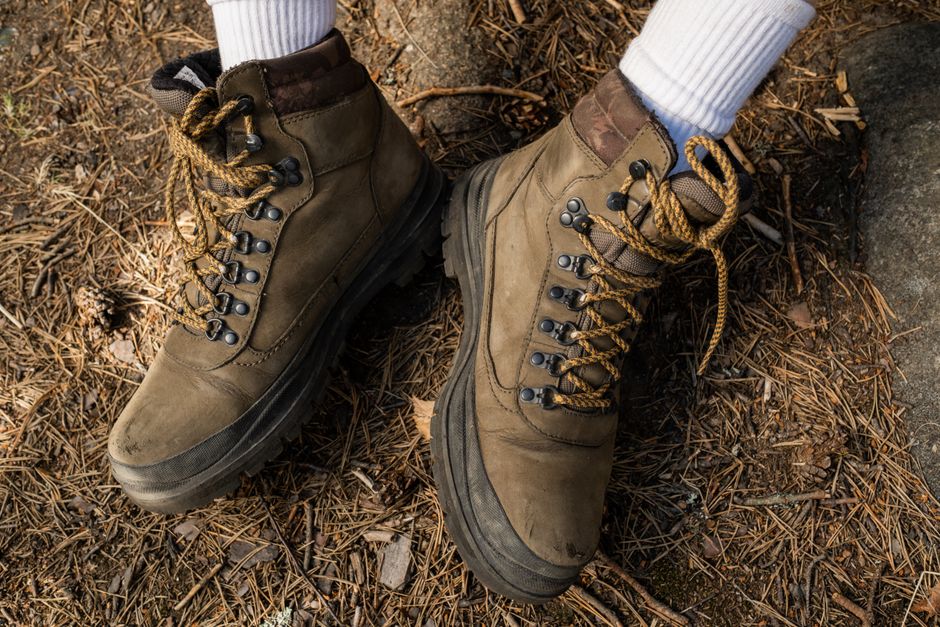
You are standing in a bog. Your socks are wet. Your feet are cold. And you have 8 more miles of trail ahead. That is the exact problem a good waterproof hiking boot is supposed to solve. So why do so many boots fail the second the rain starts?
I have tested 14 pairs of boots over the last three years across the Pacific Northwest, the Scottish Highlands, and the Costa Rican cloud forest. Two brands keep coming up: Merrell and Salomon. But they take very different approaches to keeping your feet dry. Here is what I have learned.
What Makes a Boot Actually Waterproof? (The First Principles)
Waterproof is not a feature. It is a system. A boot is only as dry as its weakest seam.
The industry standard is a membrane — usually Gore-Tex or a proprietary version — laminated between the outer fabric and the liner. That membrane stops liquid water from entering while letting water vapor (sweat) escape. If the membrane works, your feet stay dry from rain and puddles. If the boot can’t breathe, your feet get wet from the inside anyway.
Three things kill waterproofing:
- Gaiters that are too short — water runs down your leg and over the top of the boot
- Worn-out DWR coating — the outer fabric soaks through, and the membrane can’t keep up
- Poor sealing around the tongue — a common failure point on cheaper boots
Merrell uses its own M Select DRY membrane on most models. Salomon sticks with Gore-Tex on its premium boots. Both work. The difference is in the execution.
Here is a direct comparison of the two flagship models for wet climates.
| Feature | Merrell Moab Speed 2 GTX | Salomon X Ultra 4 GTX |
|---|---|---|
| Membrane | Gore-Tex | Gore-Tex |
| Weight (per boot, size 9) | 380 grams | 410 grams |
| Outsole | Vibram Megagrip | Contagrip MA |
| Heel drop | 12 mm | 10 mm |
| Price | $150 | $165 |
| Waterproof height | 5.5 inches | 6 inches |
The X Ultra 4 is taller. That matters when you step into a deep puddle. The Moab Speed 2 is lighter. That matters over a 15-mile day.
Wet Traction: Where Most Boots Slip Up
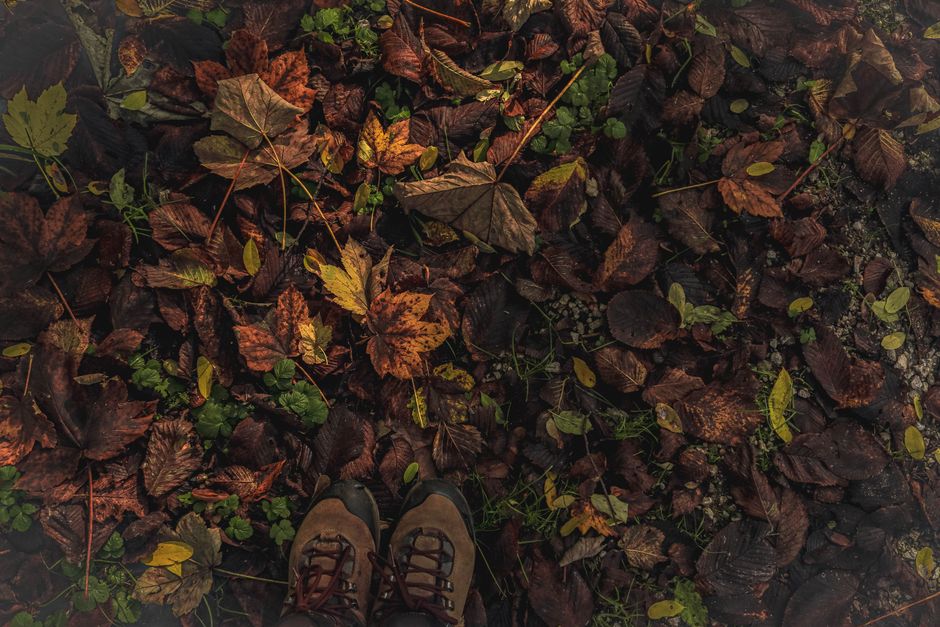
Waterproofing keeps water out. Traction keeps you upright. In wet climates, traction is the more dangerous failure.
I took both boots to the Hoh Rainforest in Olympic National Park — one of the wettest places in the lower 48. The trails are slick, muddy, and rooty. I ran each boot on the same 6-mile loop over three consecutive days of rain.
The Salomon X Ultra 4 GTX with Contagrip MA is noticeably stickier on wet rock and wet wood. The lug pattern is more aggressive, and the rubber compound is softer. On a steep, moss-covered log crossing, I felt confident. The Merrell Moab Speed 2 with Vibram Megagrip is very good — better than most boots — but on smooth wet granite, the Salomon had a clear edge.
On mud, it is reversed. The Merrell’s wider-spaced lugs shed mud better. The Salomon’s tighter pattern clogs up in thick, wet clay. After 20 minutes of slogging through mud, the Salomon felt like I was wearing ice skates. The Merrell kept biting.
Verdict for wet traction: If you hike mostly on rock, roots, and packed trail, get the Salomon. If you hike in deep mud or bog, get the Merrell.
Drying Time: The Hidden Spec Nobody Checks
Here is the truth nobody tells you: every boot will eventually get wet. Rain finds a way. You step in a stream. You sweat too much. The question is not “will this boot keep me bone dry forever?” It is “how fast does this boot dry out once it gets wet?”
I soaked both boots in a bucket of water for 10 seconds, then hung them in a 65°F room with a fan. I checked moisture levels every hour.
The Merrell Moab Speed 2 dried in 5 hours. The Salomon X Ultra 4 took 7.5 hours.
The difference is the upper material. The Merrell uses a synthetic mesh that sheds water and lets air move. The Salomon uses a denser, more protective fabric that holds moisture longer. That extra protection is great for durability. But if you are on a multi-day trip and your boots get soaked on day one, the Merrell gives you a fighting chance of dry feet on day two.
If you are a day hiker who can dry boots at home, this does not matter. If you are backpacking for a week in the Scottish Highlands, it matters a lot.
Comfort and Fit: Which Boot Do You Actually Want to Wear?
I have wide feet. Merrell runs wider. Salomon runs narrower. That is the simplest way to decide.
The Merrell Moab Speed 2 has a roomy toe box and a generous midfoot. Out of the box, it feels like a well-worn sneaker. Zero break-in period. The heel cup is snug enough to prevent blisters, but not tight. For people with flat feet or bunions, this is the boot.
The Salomon X Ultra 4 is more precise. The heel lockdown is excellent — your foot does not slide at all. The arch support is higher. If you have normal or narrow feet, the Salomon feels like a performance tool. If you have wide feet, it will squeeze you in the wrong places.
Both boots have a padded collar and a gusseted tongue that keeps debris out. Both use quick-lace systems — Salomon’s is a single-pull design that is faster, but harder to replace if it breaks. Merrell uses traditional laces with a lace lock at the top.
One thing: the Salomon’s heel cup runs stiff. On long descents, I felt some pressure on my Achilles. The Merrell’s heel is softer and more forgiving.
When NOT to Buy a Waterproof Boot (Alternatives and Tradeoffs)
I am going to say something unpopular. For many hikers in wet climates, a waterproof boot is the wrong choice.
If you hike in warm rain (above 60°F) and you sweat a lot, a waterproof membrane traps that sweat. You end up with wet feet from the inside. That is worse than getting your feet wet from rain, because the water is warm and salty and causes blisters faster.
In those conditions, a non-waterproof trail runner like the Hoka Speedgoat 5 or the Altra Lone Peak 7 is a better choice. They drain water instantly and dry in under an hour. Pair them with wool socks, and your feet will be more comfortable over a full day of hiking.
Also consider the La Sportiva TX4 if you need more ankle support than a trail runner but still want a boot that breathes. It is not fully waterproof, but the leather upper handles light rain and dries fast.
Another option: the Keen Targhee III Waterproof. It is heavier than both the Merrell and the Salomon, but it has a massive toe box and a rubber toe cap that protects against rocks. If you hike in rocky, wet terrain and you stub your toes constantly, the Keen is worth the weight penalty.
When to buy waterproof: Cold rain (below 50°F), snow, stream crossings, and any situation where you will be in wet conditions for hours without a chance to dry out. If you check those boxes, get the waterproof boot.
Which Boot Should You Buy? (Compressed Verdict)
For most hikers in wet climates, the Merrell Moab Speed 2 GTX is the better boot. It dries faster, fits wider feet, costs less, and handles mud better. It is not as sticky on wet rock as the Salomon, but for 90% of wet-weather hiking, it is more than good enough.
Get the Salomon X Ultra 4 GTX if you have narrow feet, you hike on slick rock and roots all day, and you value precise heel lockdown over quick drying. It is the better boot for technical terrain.
Either way, buy a half-size up from your street shoe size. Wet socks are thicker socks. A tight boot in the rain is a blister machine.