

A prevailing assumption among many first-time cruisers is that cruise ship videos are merely a collection of polished marketing clips designed to sell a fantasy. They view them as digital brochures—highly edited, devoid of crowds, and shot during the golden hour to mask any sign of wear and tear on the vessel. This perspective is increasingly outdated. In the current travel landscape, video content has transformed into a high-stakes ecosystem of independent reviews, technical walkthroughs, and raw, unfiltered passenger perspectives. For the modern traveler, these videos are not just entertainment; they are the primary due diligence tool used to verify whether a $5,000 balcony suite actually lives up to the promotional renders.
The shift from curated marketing to community-driven content has created a new standard for transparency. When you watch a video of a ship today, you are likely looking for the specific details that the official website glosses over. You want to see the actual size of the shower, the noise levels near the engine room, and the reality of the buffet line at 9:00 AM. This analytical approach to cruise ship videos requires understanding the different genres of content available and the technical constraints that creators face when filming in a moving, vibrating, and often crowded environment.
Which types of cruise ship videos provide the most accurate pre-booking data?
When researching a specific ship, not all video content is created equal. The most common mistake is relying solely on the “official ship tour” provided by the cruise line. These are often filmed on “shakedown” cruises before the general public is allowed on board, or during dry dock periods. While they are excellent for understanding the layout and the intended aesthetic of the ship, they fail to demonstrate the operational reality. To get an honest picture, you must look for three distinct categories of passenger-generated video.
Full Ship Walkthroughs vs. Cabin Tours
The full ship walkthrough is the backbone of cruise research. These videos usually span 30 to 60 minutes and follow a logical path from the lower decks to the top-tier amenities. Creators like Gary Bembridge of Tips for Travellers or the team at Cruise with Ben and David often provide these. The value here lies in the spatial context. You can see how far the main dining room is from the theater, which helps in assessing the ship’s accessibility. However, the cabin tour is arguably more critical. A cabin tour video focuses on a specific room category, such as a “Category 4D Ocean View Balcony.” These videos reveal the placement of power outlets, the depth of the balcony, and the amount of storage space in the closets. Look for videos that include a “bathroom check,” as this is where cruise lines often cut corners on older vessels.
Day-in-the-Life Vlogs and Reality Checks
If the ship tour is the anatomy of the cruise, the daily vlog is its pulse. These videos follow a passenger through their entire day, from breakfast to the late-night show. This is where you see the “friction points.” Does the person have to wait 20 minutes for an elevator? Is the pool deck so crowded that there are no lounge chairs by 10:00 AM? This narrative style provides a sense of the ship’s atmosphere that a static tour cannot. It captures the noise levels in the atrium and the speed of service in the specialty restaurants. When watching these, pay attention to the background—not just the creator. The background reveals the true density of the passenger load.
| Video Type | Best For | Primary Weakness |
|---|---|---|
| Official Marketing | Aesthetic and Branding | Lacks crowds and realistic wear |
| Cabin Walkthrough | Storage and Layout Specs | Narrow focus; no ship context |
| Daily Vlogs | Atmosphere and Crowds | Subjective; depends on creator’s mood |
| Ship Tours (Independent) | Navigation and Proximity | Can be long and repetitive |
What are the best cameras and settings for filming on cruise ships?
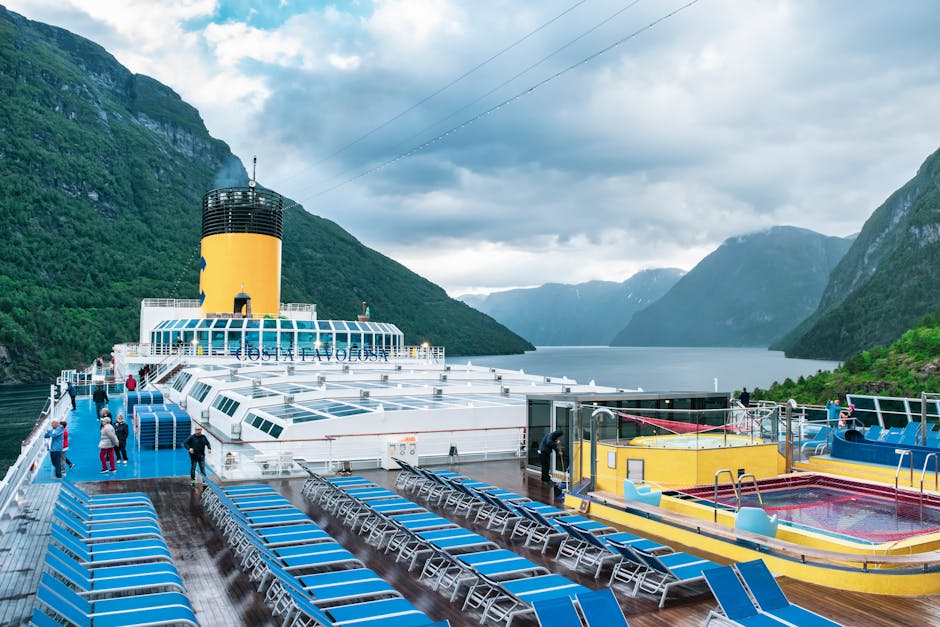
Filming on a cruise ship presents a unique set of technical hurdles that differ significantly from land-based travel vlogging. The most prominent issue is vibration. Ships are massive pieces of machinery, and even on the newest vessels, a constant low-frequency hum can cause “micro-jitters” in video footage, especially when using a smartphone. Furthermore, the lighting on cruise ships is notoriously difficult. You often transition from the blinding sun of the lido deck to the dimly lit, warm-toned interiors of a steakhouse or a theater. Professional creators have moved toward specific gear setups to mitigate these issues.
Stabilization and Low-Light Performance
For the average traveler wanting to document their trip, the DJI Osmo Pocket 3 has become the de facto standard. Retailing for approximately $519, this camera features a mechanical 3-axis gimbal that physically moves to counteract ship vibrations. Unlike the electronic stabilization in an iPhone, which can struggle in low light, the Pocket 3’s 1-inch sensor handles the dark interiors of a cruise ship with minimal grain. Pro: Extremely discreet and stable. Con: It is not waterproof, making it risky for pool deck filming or shore excursions in the rain.
For those seeking a more cinematic look, the Sony A7S III is the professional’s choice, though it comes with a steep price tag of around $3,499 (body only). It is widely regarded as the king of low-light videography. On a cruise, this allows for stunning footage of nighttime deck parties or stage shows without the need for intrusive external lights. Pro: Incredible dynamic range and 4K 120fps for slow-motion water shots. Con: It is large and heavy, which can draw unwanted attention from security or other passengers.
Action Cameras for Shore Excursions
When the ship docks, the gear requirements change. If you are snorkeling in Cozumel or zip-lining in Alaska, you need something rugged. The GoPro Hero 12 Black (approx. $399) remains the leader here. Its “HyperSmooth” stabilization is effective for walking through cobblestone streets in Europe. Pro: Nearly indestructible and waterproof to 33 feet. Con: The small sensor performs poorly in the ship’s interior hallways and theaters, often resulting in muddy, noisy footage. To get the best results, use the GoPro strictly for outdoor, daylight activities and switch to a gimbal-based camera for the ship’s interior.
Cruisers should be aware that while high-end gear is allowed, the use of large tripods in high-traffic areas like the buffet or narrow corridors is often discouraged by crew members for safety reasons. A handheld gimbal or a small “gorillapod” is much more effective and less likely to cause a confrontation.
How do professional cruise ship marketing videos differ from passenger vlogs?
Understanding the “visual language” of cruise ship videos is essential for deciphering what you are seeing. Professional productions, such as those released by Royal Caribbean or Celebrity Cruises, use specific techniques to make spaces look larger and more inviting than they might be in reality. One of the most common tactics is the use of ultra-wide-angle lenses. While these lenses are necessary to capture the entirety of a cabin, they also distort depth, making a standard 170-square-foot room look like a spacious suite. When watching these, look at the furniture for scale. If a queen-sized bed looks like a football field, the lens is distorting the reality.
Another key difference is the “human element.” In marketing videos, the “passengers” are paid models, and the spaces are never crowded. You will see a couple enjoying a private moment at the sunset bar, whereas in reality, that bar might be four people deep with a 15-minute wait for a mojito. Passenger vlogs, by contrast, show the messy reality. They show the wet floors, the chipped paint on the balcony railing, and the reality of the “Windjammer” buffet during a sea day. This is why the most valuable videos are often the ones with the lowest production value; they haven’t been sanitized by a marketing department.
The Rise of Drone Cinematography in Cruise Marketing
In the last five years, drone footage has become the centerpiece of cruise ship videos. It provides a sense of scale that was previously impossible. Seeing a 225,000-ton ship like the Icon of the Seas from a bird’s-eye view as it navigates a tight channel is undeniably impressive. However, there is a catch: passengers are almost never allowed to fly drones from a cruise ship. Most major lines, including Carnival, NCL, and Disney, will confiscate drones at the gangway and hold them until the end of the voyage. If you see drone footage in a passenger vlog, it was likely filmed from the shore while the ship was docked, or it is licensed footage from the cruise line itself. Do not assume you can recreate these shots on your own vacation.
The lighting in professional videos is also meticulously controlled. Many “interior” shots in marketing videos are actually filmed in a studio mockup of a cabin where the walls can be removed to accommodate large camera rigs and lighting panels. This allows for perfectly even, soft light that you will never experience in your actual cabin. When watching a passenger vlog, pay attention to the “natural” light. If the cabin looks dark and cramped in a YouTube video shot on a phone, that is exactly how it will feel when you are inside it. The lack of artificial lighting in amateur videos is actually a feature, not a bug, for the savvy researcher.
What are the legal and ethical rules for filming on a cruise ship?
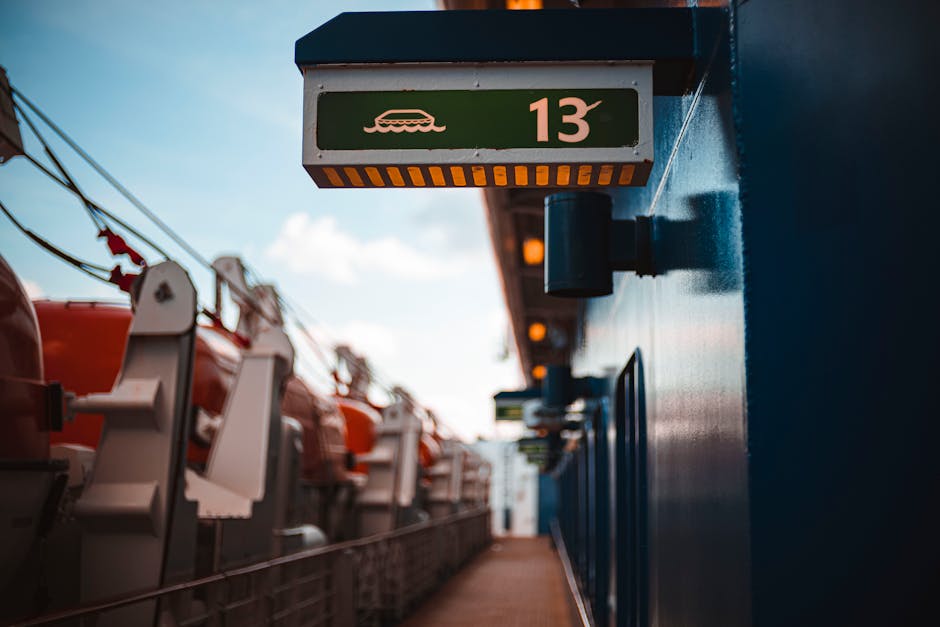
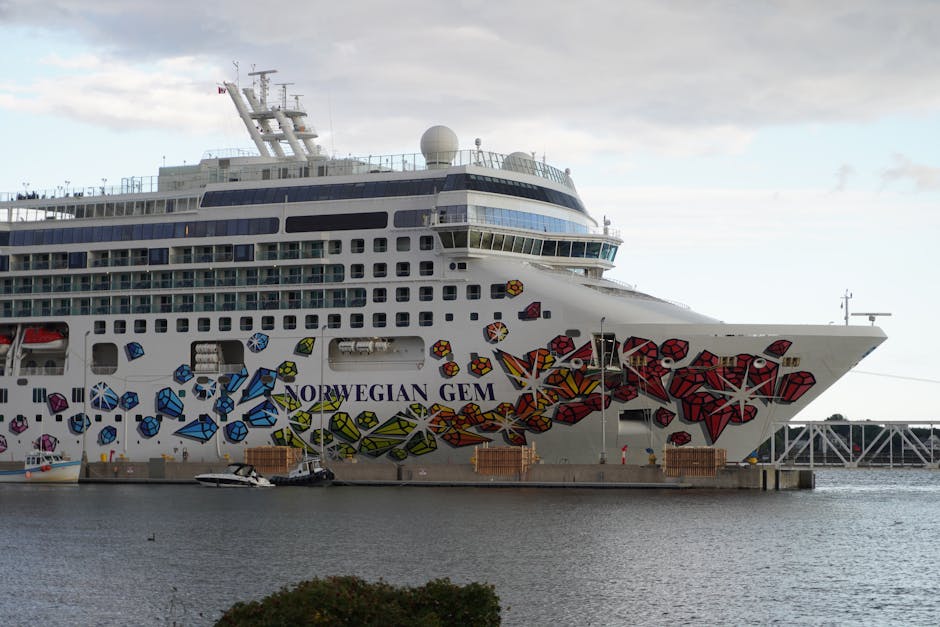
As the popularity of cruise ship videos has exploded, so too have the restrictions placed on creators. Cruise ships are private property, and the “contract of carriage” you sign when you buy a ticket usually includes clauses about photography and videography. While most lines are happy for you to film your vacation for personal use or even for a small YouTube channel, they draw a hard line at anything that infringes on the privacy of other guests or the security of the vessel.
Privacy and the “Expectation of Quiet Enjoyment”
The most significant ethical hurdle is filming other passengers. A cruise ship is a communal living space. People are often in swimwear, relaxing, or perhaps having one too many drinks at the pool bar. Filming someone without their consent in these situations is not just poor etiquette; it can lead to your removal from the ship if a guest complains to security. Most successful cruise vloggers use a “blur first, ask later” policy, or they film at odd hours—like 6:00 AM—to capture the ship’s beauty without capturing other people’s private moments. If you are filming a review, try to keep your camera pointed at the architecture or yourself, and avoid panning across a crowded hot tub.
Furthermore, there are strict “no-fly zones” for cameras on the ship. You are generally prohibited from filming in the casino, the medical center, and certain security checkpoints. Crew members are also increasingly sensitive about being filmed. While some “celebrity” cruise directors love the camera, many housekeeping and dining staff are uncomfortable being the subject of a video that might be seen by hundreds of thousands of people. It is always best practice to ask a crew member, “Do you mind if I include you in this shot?” before hitting record.
Commercial vs. Personal Use
There is a gray area between a “vacation video” and a “commercial production.” If you are using professional-grade equipment—external monitors, wireless microphones, and large LED panels—ship security will likely designate you as a commercial entity. This requires prior authorization from the cruise line’s corporate office and often involves paying a fee or having a crew member escort you. For the vast majority of people making cruise ship videos, sticking to a small, handheld setup is the best way to stay under the radar.
- Check the drone policy: Always assume drones are banned unless you have written permission.
- Respect the Casino: Almost every cruise line strictly prohibits filming in the gambling areas to protect the privacy of players and the integrity of the games.
- Be Mindful of the Kids’ Clubs: Filming anywhere near the youth centers or children’s pool areas is a fast way to get a visit from the Master-at-Arms.
- Audio Matters: Be careful with background music. If you are filming a vlog and the ship’s speakers are playing copyrighted music, YouTube may demonetize or block your video.
Ultimately, the best cruise ship videos are those that balance the excitement of travel with a realistic assessment of the experience. Whether you are a creator or a viewer, approaching this medium with a critical eye allows for better planning and fewer surprises once you step onto the gangway. The era of the “perfect” travel brochure is over; the era of the 4K, high-bitrate, unfiltered reality is here to stay. By utilizing the right gear and respecting the boundaries of the sea-going community, travelers can document their journeys in ways that are both beautiful and honest.