
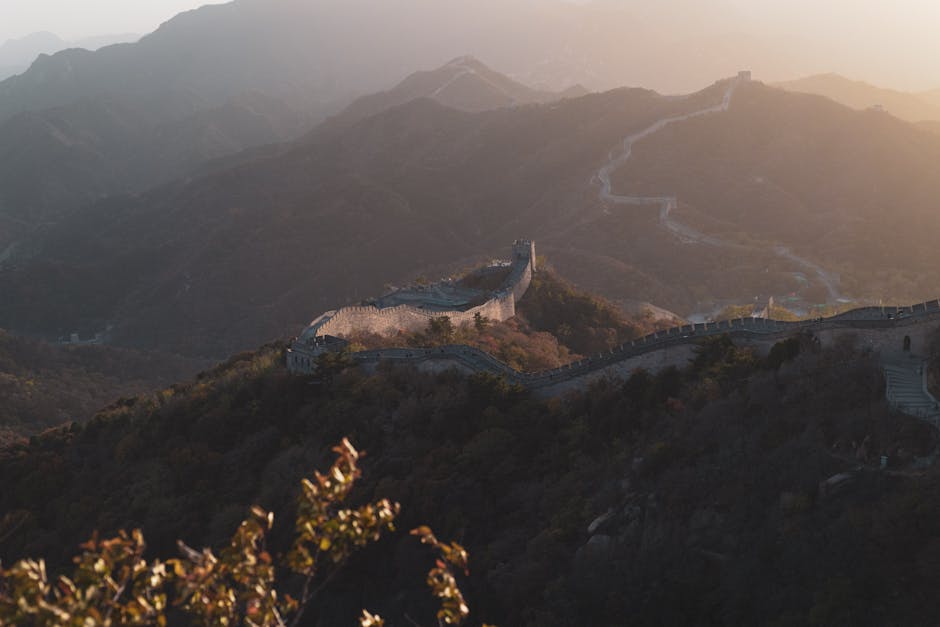
Imagine standing on the edge of the Salar de Uyuni at dawn. The light is hitting the thin layer of water just right, creating a perfect mirror of the sky, and you click the shutter on a composition you know is special. Back home, as you scroll through the RAW files on a calibrated monitor, that same feeling returns. You begin to wonder if this image has a life beyond your hard drive or a social media feed that forgets content in forty-eight hours. This is the moment many photographers consider entering the circuit of travel photography awards, a transition from capturing memories to seeking professional validation. It is a path paved with entry fees, rigorous technical requirements, and the daunting task of catching the eye of a jury that sees tens of thousands of images every year.
Comparative Analysis of Leading Global Travel Photography Competitions
The landscape of travel photography awards is divided between massive, corporate-sponsored events and niche competitions focused specifically on the travel genre. Each has a distinct personality and a different set of expectations for entrants. Understanding these nuances is the first step in deciding where to allocate your time and budget. The Travel Photographer of the Year (TPOTY) stands as the most prestigious dedicated competition in this field. Unlike general photography contests, TPOTY emphasizes the narrative of travel, often requiring portfolios rather than just single lucky shots. This focus tests a photographer’s ability to maintain a consistent vision across multiple frames, which is a significantly higher bar than capturing a one-off sunset.
On the other end of the spectrum lies the Sony World Photography Awards. This is a massive operation with a dedicated ‘Travel’ category within its Professional, Open, and Youth competitions. Because entry into the Open category is free, the volume of submissions is staggering. While the exposure of winning a Sony award is arguably higher due to the global marketing machine behind it, the sheer noise can make it harder for subtle, nuanced work to stand out. Then there are the Siena International Photo Awards (SIPA), which have gained rapid traction for their high-production gala events and their appreciation for vibrant, high-impact imagery that pushes the boundaries of traditional travel documentary.
| Competition | Primary Focus | Estimated Entry Fee | Top Prize Potential |
|---|---|---|---|
| TPOTY (Travel Photographer of the Year) | Narrative Portfolios | £12 – £50 | £2,000 + Gear & Trips |
| Sony World Photography Awards | General Excellence | Free (Open) / Varies | $25,000 (Professional) |
| SIPA (Siena International) | Visual Impact | €20 – €35 | €1,500 + Pangea Prize |
| IPA (International Photo Awards) | Broad Categories | $15 – $35 | $10,000 (Overall) |
Key Differences in Prize Structures
When evaluating these awards, the prize is rarely just the cash. For instance, TPOTY often includes high-end gear from sponsors like Fujifilm or OM System. A recent winner might receive a Fujifilm X-T5 (approx. $1,700), which is praised for its exceptional film simulations and compact form factor, though some professionals find the APS-C sensor limiting compared to full-frame alternatives in low-light travel scenarios. Sony, conversely, leans heavily into its own ecosystem, providing winners with the latest Alpha hardware, such as the Sony Alpha 7R V (approx. $3,800). This camera is a powerhouse for travel due to its 61MP resolution, allowing for massive gallery prints, but the enormous file sizes can be a significant burden on mobile storage workflows during a trip.
Deciphering Judging Criteria for Narrative and Technical Excellence
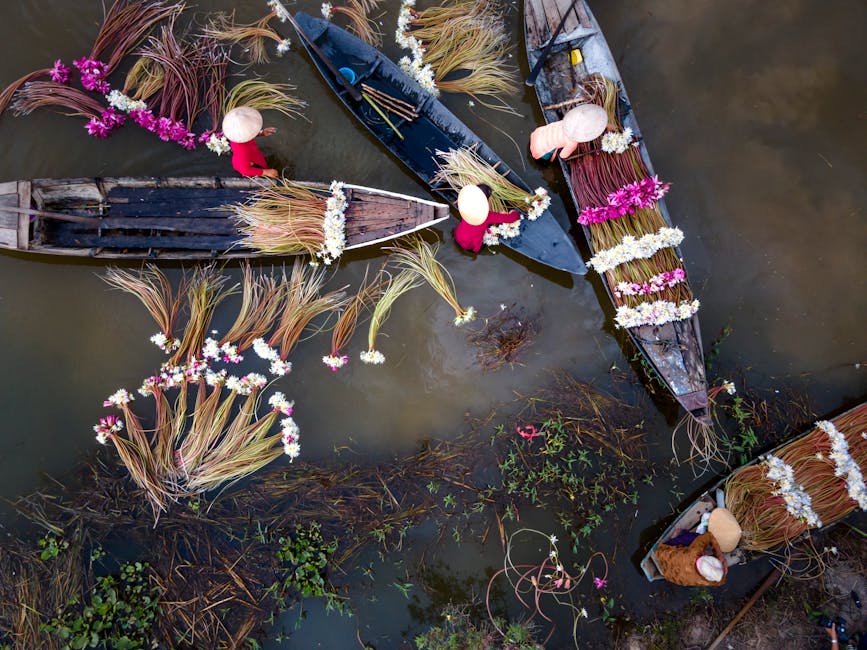
What makes a winning travel photograph? If you look at the galleries of the last decade, a clear trend emerges: the “postcard shot” is dead in the eyes of serious juries. Judges are no longer looking for a technically perfect image of the Eiffel Tower or the Taj Mahal that could have been taken by anyone with a tripod and a clear sky. Instead, they seek the ‘unseen’ or the ‘intimate.’ This shift toward documentary-style travel photography means that the story behind the image—the cultural context, the environmental challenge, or the human connection—carries as much weight as the histogram.
Compositional mastery remains a baseline requirement. Judges look for a sophisticated use of light, but they are increasingly wary of over-processed images. High dynamic range (HDR) effects that look unnatural are a quick way to get disqualified in the first round of major competitions like World Press Photo or TPOTY. They prefer a “honest” RAW conversion that reflects the actual atmosphere of the location. Furthermore, the concept of the “decisive moment” is being expanded. It’s not just about a person jumping over a puddle; it’s about capturing a fleeting intersection of light, emotion, and geography that feels unposed and authentic.
Successful entries often demonstrate a deep respect for the subject. The era of the “drive-by” portrait of an indigenous person is being replaced by images that suggest a relationship or a shared moment between the photographer and the subject.
The technical evaluation is brutal. At the final stages of judging, photos are viewed at 100% magnification. Any signs of sensor dust, chromatic aberration, or soft focus on the primary subject will lead to immediate rejection. This is where high-quality glass becomes a necessity. Using a lens like the Sony FE 24-70mm f/2.8 GM II (approx. $2,300) provides the corner-to-corner sharpness that competition prints demand. While its weight is a drawback for long hikes, the optical precision is a safeguard against the technical scrutiny of a professional jury. If you are shooting with entry-level kit lenses, the lack of micro-contrast often becomes apparent when the image is scaled for a large-format exhibition print.
Assessing the Financial Viability and ROI of Entry Fees
Entering photography competitions is an expensive hobby that can quickly turn into a significant annual line item. With entry fees ranging from $15 for a single image to over $100 for a complex portfolio, a photographer entering five major awards could easily spend $500 before a single shutter click is even judged. Is there a return on this investment? For the vast majority of entrants, the answer is no, at least not in direct financial terms. The odds are statistically stacked against you. However, the value often lies in the “halo effect” of being shortlisted or commended.
Being able to list “Shortlisted for Sony World Photography Awards” on a professional portfolio or a workshop landing page provides a level of social proof that is hard to buy elsewhere. It functions as a third-party verification of your skill level. For those looking to break into editorial travel photography, these awards are a primary scouting ground for photo editors at publications like National Geographic Traveller or Condé Nast. Winning a category can lead to direct commissions that far outweigh the initial entry fee. But you must be cold-blooded about your selection. Do not enter every contest. Research the previous winners; if your style is moody and desaturated, and the contest historically favors high-saturation landscapes, you are effectively donating your entry fee to the organizers.
The Hidden Costs of Winning
Winning isn’t always free. Some smaller awards require winners to pay for their own prints to be included in the physical exhibition, or they may require a “hanging fee.” This is a controversial practice in the industry. Reputable awards like TPOTY or the Sony World Photography Awards cover the costs of printing and mounting for their exhibitions. Before entering, read the fine print. If a contest requires you to pay for the privilege of being exhibited after you have already won, it is often a sign of a “vanity” award designed more to generate revenue for the organizer than to celebrate the photographer. A professional-grade tripod, like the Peak Design Travel Tripod (Carbon Fiber version, approx. $600), is a better investment of those funds. It offers incredible stability in a package that fits in a water bottle pocket, though the high price is a deterrent for those who don’t prioritize weight savings.
Ethical Standards and Manipulation Boundaries in Modern Contests
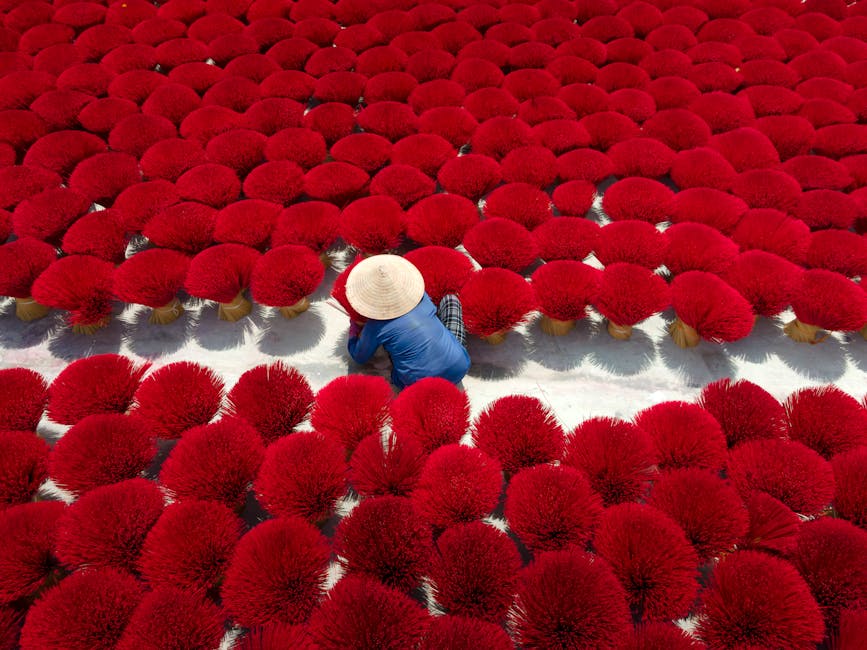
The rise of generative AI and sophisticated post-processing tools has forced travel photography awards to implement strict ethical guidelines. Most major competitions now require the original RAW file for any image that reaches the final round of judging. This is to ensure that the photographer hasn’t added or removed significant elements from the frame. In the travel category, authenticity is the currency. Moving a tree to balance a composition or adding a fake flock of birds is considered a breach of trust and will lead to a lifetime ban from many organizations.
There is also the ethical consideration of how subjects are portrayed. The “poverty porn” aesthetic—taking high-contrast, gritty photos of people in developing nations without their consent or context—is increasingly penalized by modern juries. Competitions are looking for dignity and agency in the subjects. They want to see travel photography that educates the viewer about a place rather than just exploiting its aesthetic differences. This requires the photographer to spend time on the ground, often returning to the same location multiple times to capture the true essence of a community rather than a superficial glance.
Manipulation isn’t just about adding things; it’s also about what you leave out. A travel photo that depicts a pristine beach while cropped to hide a massive pile of plastic just outside the frame is increasingly seen as deceptive in the context of environmental travel photography. Some awards now have specific categories for “Conservation” or “Environmental Impact,” where the goal is to show the reality of the world, not a sanitized version of it. This transparency is becoming a hallmark of high-level travel imagery. If you use a filter system, such as the Lee Filters 100mm System (approx. $500 for a starter kit), to manage light in-camera, you are generally on safe ground. The physical manipulation of light through glass is viewed as a skill, whereas the digital recreation of those effects in Photoshop is often viewed with skepticism by traditionalist judges.
Technical Preparation for Professional Submission Standards
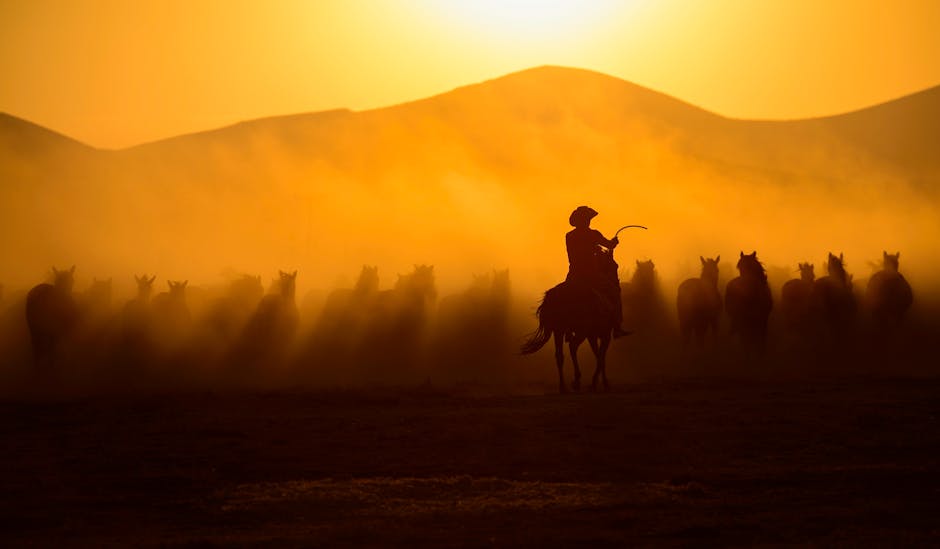
Once you have selected your images, the preparation phase begins. This is where many excellent photographers fail. Every competition has a specific set of rules regarding file naming, color space, and metadata. Most require submissions in the sRGB color space for the initial digital judging round to ensure consistency across various monitors. However, if you move to the final round, you will likely be asked for a high-resolution file in Adobe RGB or ProPhoto RGB to facilitate high-quality printing. If you haven’t managed your color workflow correctly from the start, converting between these spaces can lead to unexpected color shifts or banding in gradients.
- Calibrate Your Monitor: Use a tool like the Datacolor SpyderX to ensure the colors you see are accurate. What looks like a perfect sunset on an uncalibrated screen might actually be an oversaturated mess on a judge’s professional display.
- Metadata Cleanup: Ensure your EXIF data is intact but remove any personal tags that might violate the “blind judging” process. Most contests want to see your settings (shutter speed, aperture) but don’t want the judges to know your name until the final decision is made.
- Sharpening for Output: Digital sharpening should be the very last step. Over-sharpening for a web submission can create halos that look terrible on a large screen. Apply sharpening conservatively and view the image at the required submission resolution to check for artifacts.
- Read the Ratio Rules: Some contests have strict rules about cropping. For example, a 1:1 square crop might be allowed, but a panoramic stitch might be relegated to a specific category. Do not assume your favorite 16:9 crop is acceptable for a standard entry.
The final step is the most difficult: the edit. This doesn’t mean the processing, but the selection. Most photographers are too close to their work. We remember the three-hour hike in the rain to get the shot, and we let that effort cloud our judgment of the image’s actual quality. A judge doesn’t care how hard you worked; they only care about what is inside the four corners of the frame. To succeed in travel photography awards, you must learn to view your own work with a cold, detached eye. If an image requires a paragraph of text to explain why it’s interesting, it’s probably not a winning photograph. The best travel images speak a universal language, conveying the spirit of a place instantly and without apology.
Success in this arena is a marathon, not a sprint. Most winners have been entering for years, refining their style and learning from each rejection. While the lure of the prize money is real, the true value of these awards is the discipline they impose on your practice. They force you to think about your work in a global context, to sharpen your technical skills, and to consider the ethics of your presence in the world. Whether you walk away with a trophy or just a set of sharpened files, the process of competing makes you a more intentional and effective photographer.